 EN
EN

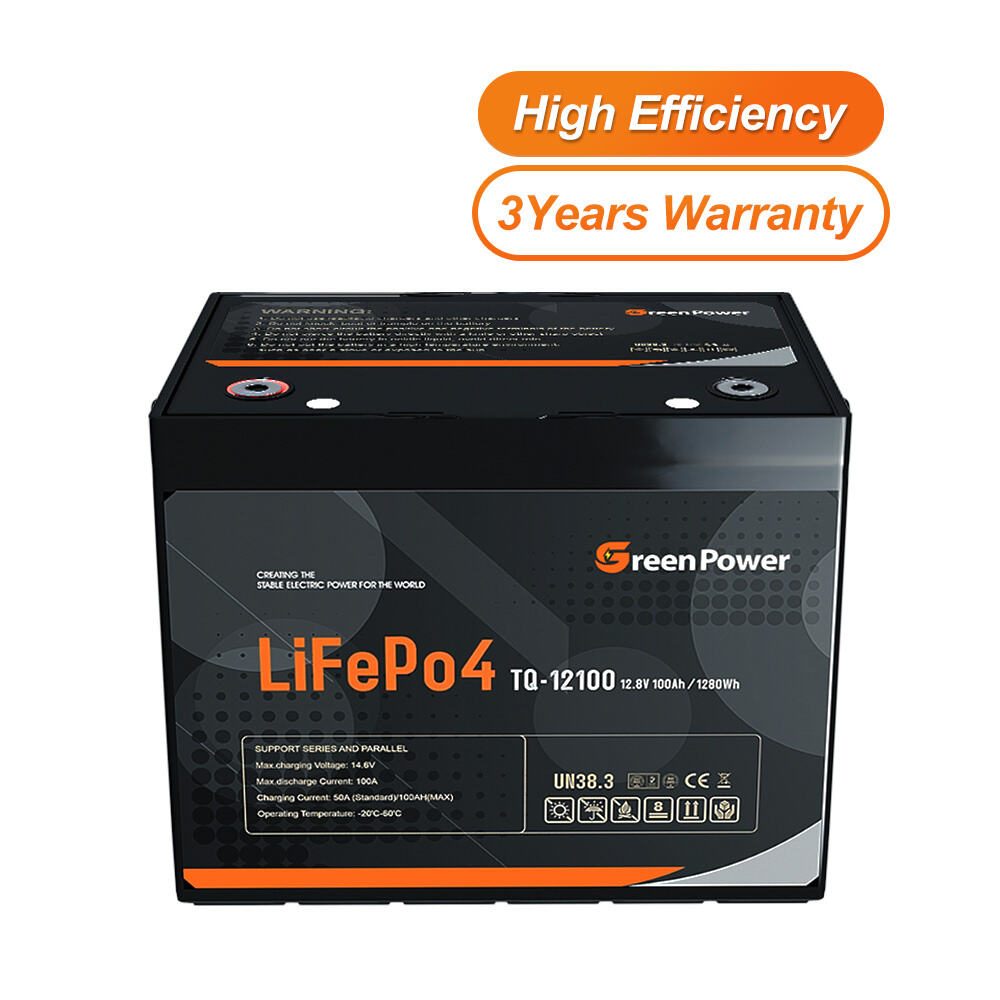
Moderne lagringssystemer til energi kræver avancerede batteriteknologier, der leverer ekstraordinær sikkerhed og termisk stabilitet. LiFePO4 batterier har fremtrådt som en revolutionerende løsning, der tilbyder overlegne ydeevneparametre, som adresserer kritiske forhold i forskellige anvendelser. Disse lithium-jernfosfat-batterier sikrer uslåelig termisk stabilitet, forbedrede sikkerhedsfunktioner og pålidelig drift under krævende miljøforhold. At forstå disse batteriers unikke egenskaber og fordele er afgørende for ingeniører, systemdesignere og organisationer, der søger optimale løsninger til energilagring.
Forståelse af LiFePO4-batteriteknologi
Kemisk sammensætning og struktur
Den grundlæggende fordel ved LiFePO4-batterier ligger i deres unikke kemiske sammensætning. Lithium-jernfosfat fungerer som katodemateriale og danner en stabil krystalstruktur, der modstår termisk nedbrydning under ekstreme forhold. Denne olivin-struktur giver indbyggede sikkerhedsfordele i forhold til andre litium-ion-kemikalier. Katoden baseret på fosfat eliminerer problemer med iltudslip, som ofte er forbundet med traditionelle litium-ion-batterier, og reducerer derved brand- og eksplosionsrisici markant.
Jernfosfattforbindelsen danner stærke kovalente bindinger, der bevarer strukturel integritet, selv under termisk stress. Denne molekylære stabilitet resulterer direkte i forbedret sikkerhedsydelse og en længere driftslevetid. Den robuste kemiske struktur sikrer konsekvent ydelse gennem tusindvis af opladnings- og afladningscyklusser, samtidig med at den opretholder termisk stabilitet gennem hele batteriets driftsområde.
Driftsmæssige egenskaber
LiFePO4-batterier viser ekseptionelle driftsegenskaber, der gør dem ideelle til sikkerhetskritiske anvendelser. Disse batterier fungerer effektivt i et bredt temperaturområde, typisk fra minus førti til seksti grader Celsius. Den stabile afladningskurve giver konstant spændingsoutput gennem hele afladningscyklussen, hvilket muliggør forudsigelig systemydelse. Desuden viser disse batterier minimal kapacitetsnedbrydning over lange cyklusperioder og bevarer mere end firs procent af deres kapacitet efter tusindvis af cyklusser.
Selvopladningshastigheden for LiFePO4-batterier er bemærkelsesværdigt lav, typisk under tre procent pr. måned under almindelige lagervilkår. Denne egenskab sikrer lang levetid og pålidelighed for nødstrømssystemer og sæsonbaserede energilagringsanvendelser. Batterierne viser også fremragende opladningsevne og kan understøtte hurtigopladningsprotokoller uden at kompromittere sikkerhed eller levetid.
Sikkerhedsfordele i forhold til traditionelle batteriteknologier
Forebyggelse af termisk løb
En af de mest betydningsfulde sikkerhedsfordele ved LiFePO4-batterier er deres modstand mod termisk løberampe. Traditionelle lithium-ion-batterier med katoder baseret på kobolt eller nikkel kan opleve katastrofale tilfælde af termisk løberampe, hvilket kan føre til brand, eksplosion eller udslip af giftige gasser. Jernfosfat-kemi eliminerer disse risici takket være sin iboende stabile molekylære struktur. Selv under alvorlige misbrugsforhold bevarer LiFePO4-batterier deres strukturelle integritet uden at frigive ilt eller generere overmæssig varme.
Uafhængige tests viser, at LiFePO4-batterier kan tåle indtrængning med søm, knusning, overopladning og ekstrem temperaturpåvirkning uden at gå i termisk gennemløb. Dette ekstraordinære sikkerhedsprofil gør dem velegnede til anvendelser, hvor menneskers sikkerhed er afgørende, herunder privat energilagring, elbiler og bærbare elektroniske enheder. Fraværet af udslip af giftige gasser under fejlsituationer yderligere forbedrer deres sikkerhedsdækning.
Beskyttelse mod overopladning og udtømning
LiFePO4-batterier viser bemærkelsesværdig tolerance over for overopladning og overdreven afladning, forhold som ville beskadige eller ødelægge andre batterikemier. Den stabile fosfatkemi forhindrer spændingsgennemløb under overopladning, hvilket begrænser potentiel skade på batteriet og omkringliggende systemer. Denne iboende beskyttelse reducerer kompleksiteten og omkostningerne ved batteristyringssystemer, samtidig med at den øger det samlede systems pålidelighed.
Under overudladning reducerer LiFePO4-batterier på en kontrolleret måde deres output uden pludselig spændningskollaps eller permanent kapacitetsnedgang. Denne egenskab gør det muligt at genoprette dyb opladningstilstande, som ville forårsage permanent skade på bly-syre- eller andre litium-ion-batterier. Den tolerante natur af LiFePO4-kemi giver ekstra sikkerhedsmarginer i kritiske anvendelser, hvor batterimonitoringssystemer kan svigte eller omgås.
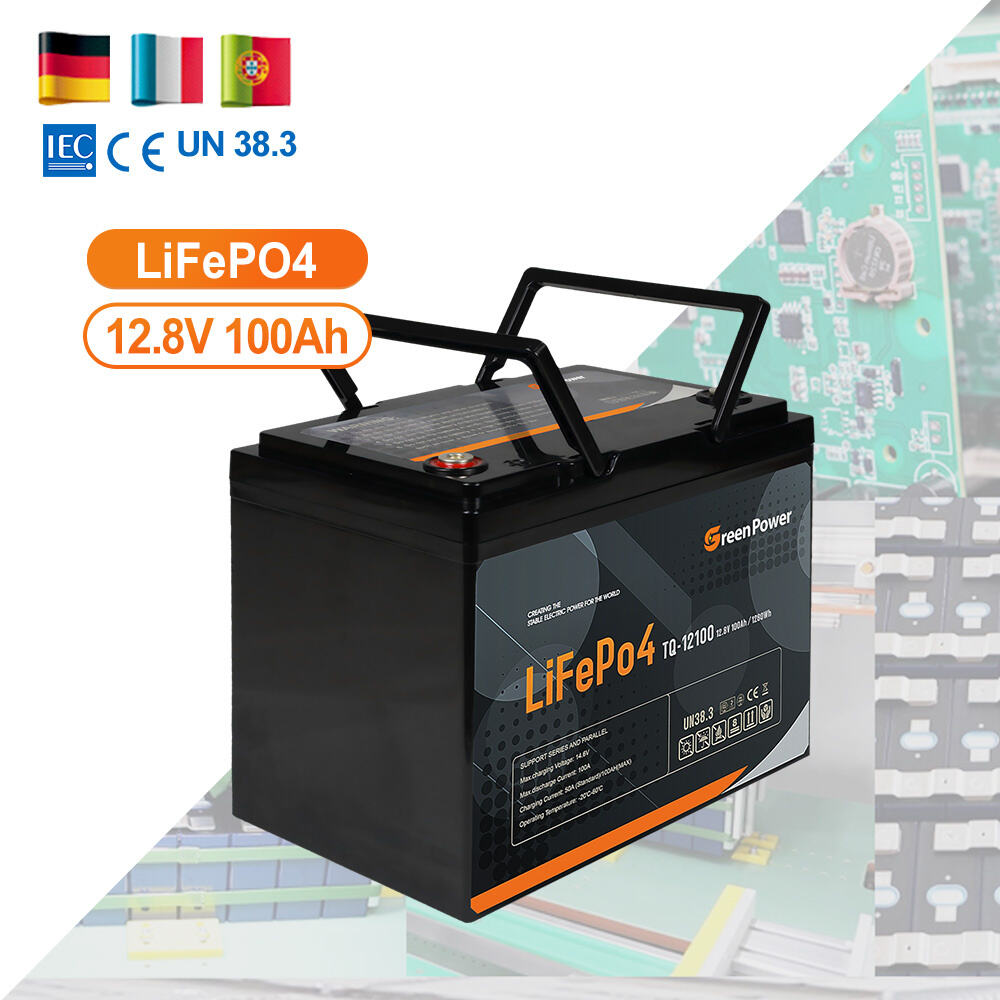
Termisk Stabilitetsydelse
Temperaturområde
Den enestående termiske stabilitet af LiFePO4-batterier gør det muligt at driftsikre under ekstreme temperaturforhold. Disse batterier bevarer en stabil ydelse fra minusgrader til forhøjede temperaturmiljøer uden væsentlig kapacitetsnedbrydning. Den stabile krystalstruktur i lithiumjernfosfat forhindrer faseovergange, som andre batterikemier lider under ved temperaturgrænser. Denne termiske robusthed gør LiFePO4-batterier ideelle til udendørs installationer, automobilanvendelser og industrielle miljøer med udfordrende termiske forhold.
Testdata viser, at LiFePO4-batterier bevarer over nitten procent af deres nominelle kapacitet ved temperaturer så lave som minus tyve grader Celsius. Ved forhøjede temperaturer op til seksti grader Celsius forbliver kapacitetsbevarelse fremragende, mens cykluslevetid yder med minimal nedbrydning. Dette brede driftstemperaturområde giver systemdesignere større fleksibilitet i termisk styring og installationskrav.
Varmeproduktionsegenskaber
LiFePO4-batterier genererer betydeligt mindre varme under opladning og afladning sammenlignet med alternative lithium-ion-kemier. De effektive elektrokemiske processer minimerer tab fra intern modstand og reducerer derved spildvarme. Lavere varmeproduktion indebærer reducerede kølekrav og forbedret systemeffektivitet. Denne egenskab er særlig vigtig i højtydende applikationer, hvor varmestyring udgør betydelige designudfordringer.
Den reducerede varmeudvikling bidrager også til en forlænget batterilevetid ved at minimere termisk belastning på interne komponenter. Lavere driftstemperaturer bevarer elektrolytstabiliteten og forhindrer accelererede aldringsmekanismer, som påvirker andre batteriteknologier. Systemintegratorer får gavn af forenklede krav til termisk styring og lavere omkostninger til kølingsinfrastruktur ved implementering af LiFePO4-batteriløsninger.
Anvendelser, der drager fordel af forbedret sikkerhed
Vedvarende energilagringssystemer
Lagringssystemer til vedvarende energi kræver batterier, der sikkert kan håndtere variable opladnings- og afladningsmønstre, samtidig med at de opretholder lang levetid og pålidelighed. LiFePO4-batterier yder fremragende i disse anvendelser på grund af deres tolerance over for delvis opladningscykler og modstand mod termisk stress. Sol- og vindenergisystemer oplever ofte hurtige effektfluktuationer, som kan belaste batterisystemer, hvilket gør den stabile ydelse hos LiFePO4-batterier særligt værdifuld.
Installationer af netbundne energilagre drager fordel af den forbedrede sikkerhedsprofil for LiFePO4-batterier, især i boliger og erhvervsbygninger, hvor brandsikkerhed er kritisk. Fraværet af toksiske gasemissioner og modstand mod termisk gennembrænding giver ekstra sikkerhedsmarginer for installationer tæt på beboede områder. Store energilagringsprojekter udnytter også disse sikkerhedsfordele til at reducere forsikringsomkostninger og forenkle overholdelse af reguleringskrav.
Elbil og transport
Elbiler og transportapplikationer kræver batterier, der kan klare stød ved uheld, ekstreme temperaturer og hurtige opladnings- og afladningscyklusser, samtidig med at passagersikkerheden opretholdes. LiFePO4-batterier opfylder disse krav takket være deres robuste kemi og modstand mod misbrugsforhold. De stabile ydeevnesegenskaber sikrer konsekvent rækkevidde og effektlevering under varierende miljøforhold og køremønstre.
Marine og rekreative køretøjsapplikationer har især gavn af sikkerhedsfordelene ved LiFePO4-batterier. Modstandskraften over for fugtrelateret korrosion og tolerance over for vibration og stød gør dem ideelle til mobile applikationer. Desuden giver det reducerede brandrisiko ro i sindet ved applikationer, hvor flugtveje måske er begrænsede eller nødreaktion forsinket.
Ydelsesoptimering og systemintegration
Krav til batteristyringssystem
Den iboende stabilitet af LiFePO4-batterier forenkler kravene til batteristyringssystem, samtidig med at avancerede overvågnings- og styrefunktioner stadig muliggøres. Basale beskyttelseskredsløb kan give tilstrækkelig sikkerhedsovervågning på grund af den tolerante natur i kemien. Imidlertid kan sofistikerede batteristyringssystemer optimere ydeevnen ved at implementere præcis opladningsstyring, termisk overvågning og algoritmer til forudsigelig vedligeholdelse.
Cellbalanceringskrav for LiFePO4-batterier er mindre kritiske end ved andre litium-ion-kemier på grund af deres ensartede spændingskarakteristikker og tolerance over for små ubalancer. Dette reducerer systemets kompleksitet og omkostninger, samtidig med at driftssikkerheden opretholdes. Avancerede systemer kan stadig implementere aktiv balancering for at maksimere kapacitetsudnyttelsen og forlænge batterilevetiden, men passiv balancering viser sig ofte tilstrækkelig til mange anvendelser.
Installations- og vedligeholdelsesovervejelser
Installationskravene for LiFePO4-batterier er markant forenklet i forhold til andre batteriteknologier. Det reducerede brandrisiko eliminerer mange af de særlige ventilation- og brandslukningskrav, der typisk er forbundet med batteriinstallationer. Standard el-sikkerhedspraksis og passende overstrømsbeskyttelse udgør tilstrækkelige sikkerhedsforanstaltninger for de fleste installationer. Denne forenkling nedsætter installationsomkostningerne og gør det muligt at implementere dem på steder, hvor andre batteriteknologier ville kræve omfattende sikkerhedsinfrastruktur.
Vedligeholdelseskravene for LiFePO4-batterier er minimale på grund af deres stabile kemi og modstandskraft mod degraderingsmekanismer, som påvirker andre batterityper. Almindelig spændingsovervågning og periodisk kapacitetstest giver tilstrækkelig vedligeholdelsesovervågning for de fleste anvendelser. Fraværet af hukommelseffekter eller behov for regelmæssig equalisering yderligere formindsker vedligeholdelseskompleksiteten og driftsomkostningerne gennem batteriets levetid.
Ofte stillede spørgsmål
Hvad gør LiFePO4-batterier sikrere end andre lithium-ion-batterier
LiFePO4-batterier anvender jernfosfat-kemi, som forhindrer termisk gennemløb og eliminerer iltudslip under fejlmåder. Den stabile krystalstruktur modstår nedbrydning ved misbrugsforhold, mens fosfatbindingerne forhindre de katastrofale fejl, der er forbundet med kobolt- eller nikkelbaserede lithium-ion-batterier. Denne kemi eliminerer også udslip af toksiske gasser og giver tolerance over for overopladning og overdiskyldning.
Hvordan yder LiFePO4-batterier ved ekstreme temperaturer
LiFePO4-batterier opretholder fremragende ydeevne over et bredt temperaturinterval fra minus førti til seksti grader Celsius. De bevarer over nioghalvfems procent kapacitet ved frostgrader og viser minimal nedbrydning ved høje temperaturer. Den stabile kemi forhindrer faseovergange og kapacitetsfor tab, som påvirker andre batteriteknologier ved temperaturgrænser, hvilket gør dem ideelle til udendørs- og automobilapplikationer.
Hvad er de vigtigste fordele ved LiFePO4-teknologiens termiske stabilitet
De termiske stabilitetsfordele inkluderer modstand mod termisk løberådighed, reduceret varmeproduktion under drift og stabil ydeevne ved ekstreme temperaturer. LiFePO4-batterier genererer mindre spildvarme på grund af lavere indre modstand, kræver minimal kølingsinfrastruktur og bevarer strukturel integritet under termisk belastning. Disse egenskaber muliggør pålidelig drift i udfordrende termiske miljøer, samtidig med at systemkompleksiteten formindskes.
Hvordan sammenlignes LiFePO4-batterier med bly-syre batterier i sikkerhedsanvendelser
LiFePO4-batterier yder overlegen sikkerhed i forhold til bly-syre batterier, idet de eliminerer udledning af brintgas, risikoen for syreudslip og muligheden for termisk gennemløb. De kan tømmes dybere uden skade, oplades hurtigere og har en længere cykluslevetid. Den forseglede konstruktion eliminerer vedligeholdelseskrav og sikrer stabil ydelse under varierende temperaturforhold og opladningstilstande.