 EN
EN

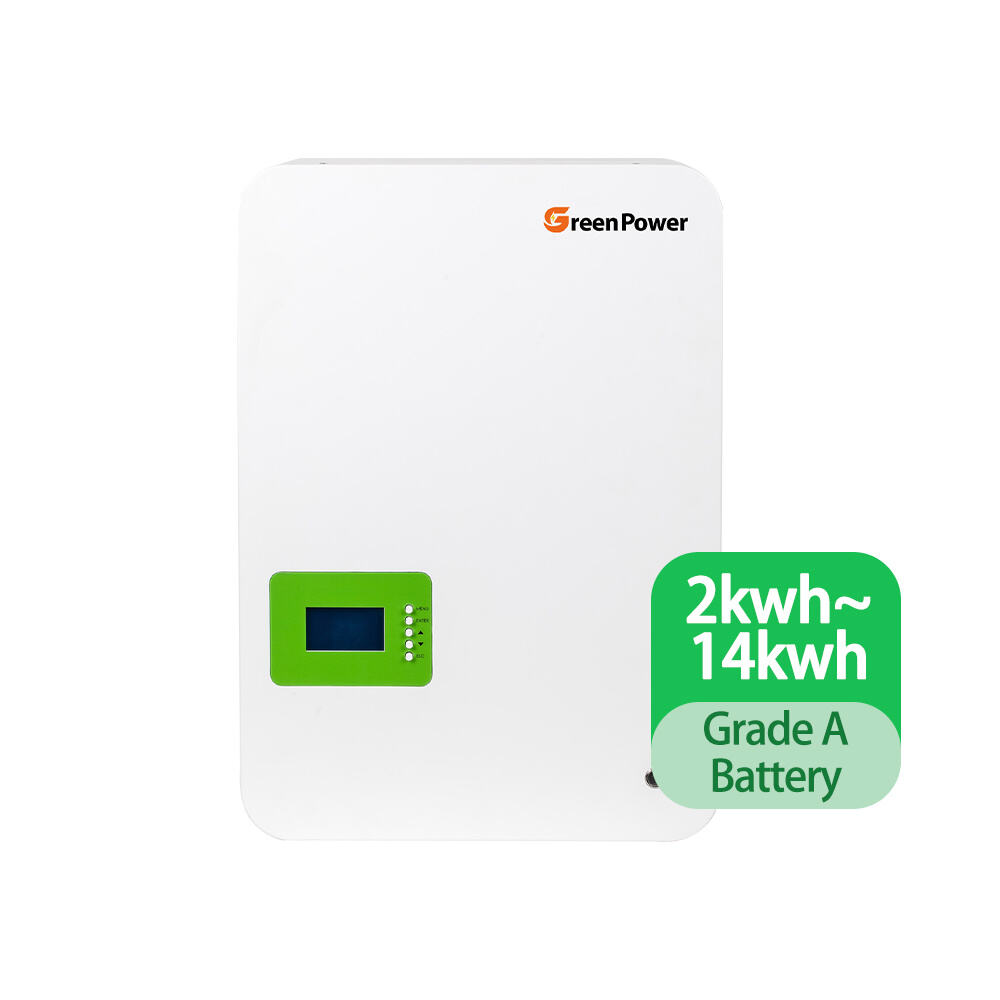
Էներգիայի պահեստավորման տեխնոլոգիայի էվոլյուցիան բերել է մեծ նորարարությունների մարտկոցների դիզայնում, որտեղ շառագը լիթիումային մարտկոցներ արդյունաբերական և առևտրային կիրառությունների համար դարձել է հիմնարար լուծում: Այս բարդ էներգաիրարկումները ներկայացնում են մարտկոցների ճարտարապետության մեջ կատարված կարևոր առաջընթաց, առաջարկելով բարելավված աշխատանքային բնութագրեր, որոնք դարձնում են դրանք անփոխարինելի՝ երկարաժամկետ շահագործման պահանջների համար: Դրանց հուսալիությանն ապահովող հիմնարար հատկանիշները հասկանալը կարևոր է ձեռնարկությունների և ինժեներների համար, ովքեր փնտրում են կայուն էներգիայի պահեստավորման լուծումներ, որոնք կարող են դիմակայել ժամանակի ստուգումներին՝ պահպանելով կայուն աշխատանքային ցուցանիշներ տարբեր շահագործման պայմաններում:
Բջջային ճարտարապետության և կառուցվածքային դիզայնի առաջադեմ լուծումներ
Մոդուլային կոնֆիգուրացիայի առավելություններ
Լիթիումային բատարեաների մոդուլային կոնստրուկցիան ստեղծում է հուսալի հիմք երկարաժամկետ աշխատանքի համար՝ առանձին էլեկտրական տարրերի համակարգված կազմակերպման շնորհիվ: Այս կառուցվածքը թույլ է տալիս ճշգրիտ վերահսկողություն լարման բաշխման և հոսանքի անցման նկատմամբ, ինչը նվազեցնում է առանձին բաղադրիչների վրա ընկնող բեռը և առավելագույնի հասցնում ամբողջական համակարգի արդյունավետությունը: Մոդուլային կառուցվածքը հնարավորություն է տալիս հեշտությամբ նորոգել կամ փոխարինել առանձին մոդուլներ առանց ամբողջ մարտկոցային համակարգը դադարեցնելու, ինչը զգալիորեն երկարաձգում է շահագործման կյանքը: Օգտագործված առաջադեմ ինժեներական մեթոդները երաշխավորում են, որ յուրաքանչյուր մոդուլ աշխատում է օպտիմալ պարամետրերի սահմաններում՝ կանխելով աստիճանական անսարքությունները, որոնք կարող են վտանգել ամբողջ էներգակուտակիչ համակարգը:
Բջիջների հավասարեցման և միացման կետերի ճշգրիտ արտադրությունը վերացնում է թույլ տեղերի առաջացման հնարավորությունը, որոնք կարող են առաջանալ երկարատև օգտագործման ընթացքում: Թափանիշների կոնֆիգուրացիան մեխանիկական լարվածությունը հավասարաչափ բաշխում է բոլոր բաղադրիչների վրա՝ նվազեցնելով կորուստների ձևավորումը, որոնք սովորաբար ազդում են ավանդական մատակարարման կոնստրուկցիաների վրա: Հավաքակցման ընթացքում որակի վերահսկման միջոցառումները ապահովում են բոլոր մոդուլների համապես կատարման հատկանիշներ, ստեղծելով համասեռ էներգիայի պահեստավորման հարթակ, որը պահպանում է հուսալիության ստանդարտները ամբողջ շահագործման ընթացքում:
Ջերմային կառավարման ինտեգրում
Բարդ ջերմային կառավարման համակարգերը հարթորեն ինտեգրված են շեղբավոր կոնստրուկցիայի մեջ՝ ապահովելով գերազանց ջերմության ցրման հնարավորություններ, որոնք ուղղակիորեն ազդում են երկարաժամկետ հուսալիության վրա: Շեղբի ներսում հովացման անցքերի և ջերմություն հաղորդող նյութերի ռազմավարական տեղադրումը ապահովում է ջերմաստիճանի հավասարաչափ բաշխում՝ կանխելով տաք կետերի առաջացումը, որոնք կարող են արագացնել քայքայման գործընթացները: Ուղղահայաց շեղբավորման դասավորությունը բնական ձևով նպաստում է կոնվեկտիվ հովացմանը, իսկ ինժեներական օդի շարժման նախագծված օրինաչափությունները բարելավում են ջերմային կարգավորման արդյունավետությունը բոլոր շահագործման պայմաններում:
Ծրագրի ընթացքում տեղադրված ջերմաստիճանի հսկման սենսորները տրամադրում են իրական ժամանակում հակադարձ կապ՝ հարմարեցված սառեցման համակարգի պատասխանների համար: Ջերմային կառավարման այս գործող մոտեցումը կանխում է բջջային քիմիայի վրա ջերմաստիճանի լարվածությունը՝ պահպանելով օպտիմալ շահագործման պայմաններ, որոնք պահպանում են մարտկոցի տարողությունը և երկարաձգում ցիկլի կյանքը: Փուլային փոփոխություններ ունեցող նյութերի և առաջադեմ սառեցման տեխնոլոգիաների ինտեգրումը հետագա բարելավում է ջերմային կայունությունը՝ ապահովելով հաստատուն արդյունքներ նույնիսկ բարդ շրջակա միջավայրային պայմաններում:
Քիմիական կայունություն և անվտանգության հատկություններ
Առաջադեմ էլեկտրոլիտային բաղադրամասեր
Ժամանակակից լիթիումային բատարեաները օգտագործում են առաջադեմ էլեկտրոլիտային ձևավորումներ, որոնք զգալիորեն բարելավում են քիմիական կայունությունն ու շահագործման ժամկետը: Այս հատուկ էլեկտրոլիտները դիմադրում են քայքայմանը լիցքավորման-լիցքաթափման հազարավոր ցիկլների ընթացքում՝ պահպանելով իոնային հաղորդականությունը և կանխելով վնասակար երկրորդային արտադրանքների առաջացումը, որոնք կարող են վատացնել բատարեանի աշխատանքը: Էլեկտրոլիտային մատրիցայում առկա առաջադեմ ավելցուկները ստեղծում են պաշտպանիչ շերտեր էլեկտրոդային մակերևույթներին, ինչը նվազեցնում է անցանկալի քիմիական ռեակցիաները, որոնք սովորաբար հանգեցնում են տարողության նվազմանը ժամանակի ընթացքում:
Այս էլեկտրոլիտների քիմիական բաղադրությունը ներառում է կայունացնող ագենտներ, որոնք պահպանում են շահագործման հատկանիշները լայն ջերմաստիճանային դիապազոններում, ապահովելով հուսալի աշխատանք տարբեր շրջակա միջավայրային պայմաններում: Թաքստուփային ձևավորումները նվազեցնում են գազի արտանետումը սովորական շահագործման ընթացքում, ինչը կրճատում է ներքին ճնշման աճը, որը կարող է ազդել բջիջների ամբողջականության վրա: Այս քիմիական նորարարությունները ուղղակիորեն նպաստում են լիթիումային բատարեաների ավելի երկար օգտագործման ժամկետին և բարելավված անվտանգության ցուցանիշներին՝ դարձնելով դրանք հարմար կրիտիկական կիրառությունների համար, որտեղ պահանջվում է երկարաժամկետ հուսալիություն:
Ինտեգրված անվտանգության մեխանիզմներ
Լիթիումային բատարեաների մեջ խցանված՝ բազմաշերտ անվտանգության համակարգերը ապահովում են երկարաժամկետ հուսալիությունը վտանգող տարբեր անսարքություններից համապարփակ պաշտպանություն: Ճնշման կանխարգելման մեխանիզմները կանխում են վտանգավոր ճնշման կուտակումը, իսկ ջերմային անկառավարելիության կանխարգելման համակարգերը ավտոմատ կերպով անջատում են տուժած էլեկտրաքանակները՝ շղթայական անսարքությունները կանխելու համար: Կարգաբախման ավարտման սարքերը արձագանքում են ակնթարթորեն գերավանդական պայմաններին՝ պաշտպանելով ինչպես առանձին էլեկտրաքանակները, այնպես էլ ամբողջ բատարեային համակարգը վնասվածքներից:
Գործարկման լիցքաթափման համակարգերը անընդհատ վերահսկում են լիցքավորման բոլոր տարրերում լարումը, հոսանքը, ջերմաստիճանը և ներքին դիմադրությունը ներառյալ կարևորագույն պարամետրերը: Այս ինտելեկտուալ հսկողության համակարգերը կարողանում են կանխօրոշել հնարավոր խափանումները՝ թույլ տալով նախազգուշական սպասարկում և կանխելով անսպասելի դադարը: Կրկնօրինակված անվտանգության հատկությունները ապահովում են, որ բազմաթիվ պաշտպանության շերտեր մնան ակտիվ, նույնիսկ եթե հիմնական համակարգերը խնդիրներ ունենան, ապահովելով շահագործման անվտանգության և հուսալիության չափանիշները:
Էլեկտրոնային կառավարման և հսկողության համակարգեր
Բարդակառուցված լիցքավորման կառավարման համակարգեր
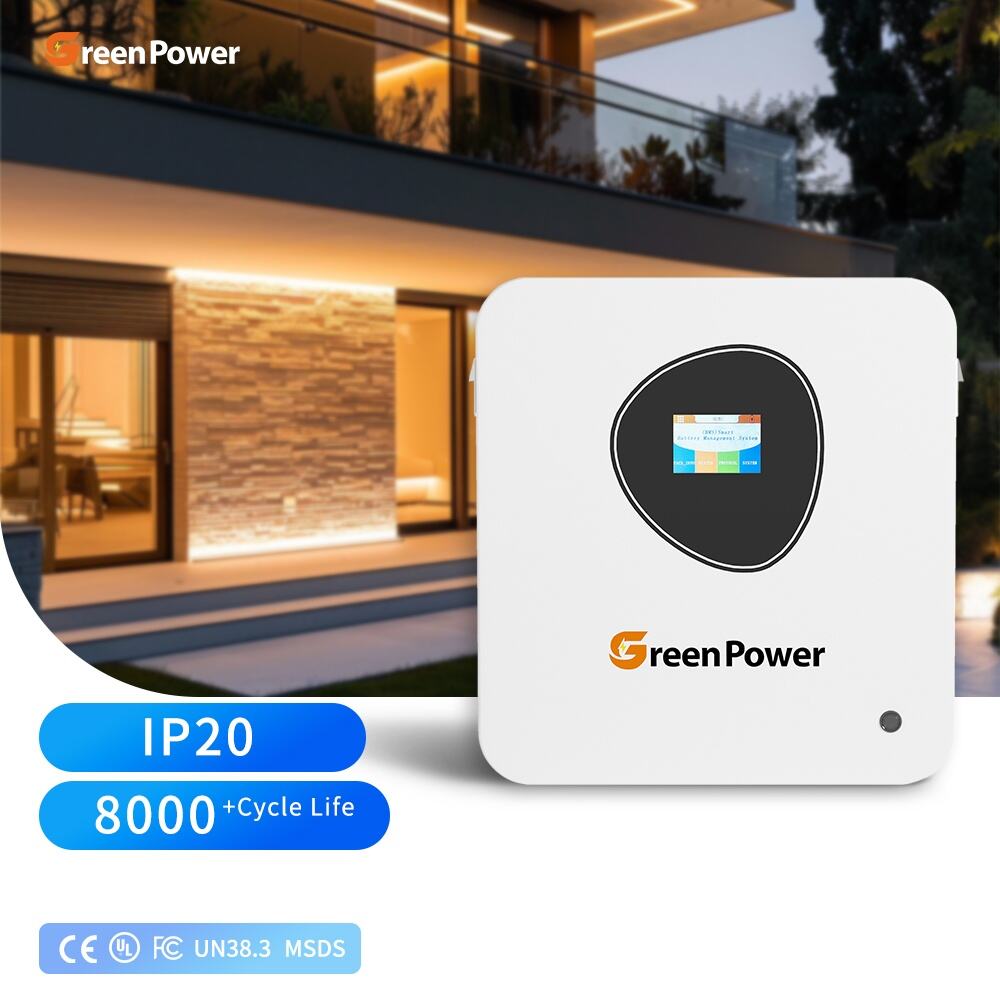
Վերջին սերնդի մատուցման կառավարման համակարգերը հանդես են գալիս որպես հավաքված լիթիումային մատուցների ինտելեկտուալ կենտրոն, կազմակերպելով բարդ գործընթացներ, որոնք ապահովում են երկարաժամկետ հուսալիություն և օպտիմալ աշխատանք: Այս համակարգերը օգտագործում են առաջադեմ ալգորիթմներ՝ բալանսավորելու մատուցների լարումները, կառավարելու լիցքավորման ռեժիմները և օպտիմալացնելու լիցքի արտաթափումը՝ կախված իրական ժամանակում ընթացող շահագործման պայմաններից: Կանխատեսող անալիտիկայի հնարավորությունները հնարավորություն են տալիս համակարգին կանխօրոք գնահատել սպասարկման կարիքները և կարգավորել շահագործման պարամետրերը՝ առավելագույնի հասցնելով մատուցի կյանքի տևողությունը՝ պահպանելով աշխատանքային ստանդարտները:
Իրական ժամանակում տվյալների գրառման և վերլուծության հնարավորությունները տալիս են արժեքավոր տեղեկություններ բատարեայի աշխատանքի մասին, ինչը հնարավորություն է տալիս կիրառել ակտիվ պահպանման ռազմավարություններ՝ կանխելով անսպասելի խափանումները: Բատարեայի կառավարման համակարգը կապ է հաստատում արտաքին հսկման հարթակների հետ, ապահովելով հեռահար մուտք կարևորագույն աշխատանքային տվյալներին և հնարավորություն տալով կիրառել կանխատեսողական պահպանման ծրագրեր: Ընդհանրացված սխալների հայտնաբերման ալգորիթմները կարող են նույնականացնել խնդիրները՝ նախքան դրանք ազդեն համակարգի հուսալիության վրա, ակտիվացնելով համապատասխան պաշտպանական միջոցառումներ և պահպանման զգուշացումներ:
Կապի և ինտեգրման հնարավորություններ
Ժամանակակից հաղորդակցման ստանդարտները, որոնք ներդրված են շերտավոր լիթիումային մարտկոցներում, հնարավորություն են տալիս հեշտությամբ ինտեգրվել արդյունաբերական կառավարման համակարգերին և էներգետիկ կառավարման պլատֆորմներին: Այս հաղորդակցման հնարավորությունները իրական ժամանակում տրամադրում են կարգավիճակի թարմացված տվյալներ, աշխատանքային ցուցանիշներ և ախտորոշման տեղեկություններ, որոնք աջակցում են երկարաժամկետ ակտիվների կառավարման համար հիմնավորված որոշումներ կայացնելուն: Ստանդարտացված հաղորդակցման ինտերֆեյսները ապահովում են համատեղելիություն տարբեր հսկողության և կառավարման համակարգերի հետ՝ հեշտացնելով ինտեգրումը բարդ արդյունաբերական միջավայրերում:
Հեռահաղորդակցման հնարավորությունները կենտրոնական կառավարման կենտրոններին հնարավորություն են տալիս անընդհատ վերահսկել մարտկոցի աշխատանքը՝ թույլատրելով արագ արձագանքել ծագող խնդիրներին և ապահովել գործառնական արդյունավետության օպտիմալացում։ Տվյալների անալիտիկայի հարթակները կարող են մշակել պատմական աշխատանքային տվյալներ՝ հայտնաբերելով միտումներ և օրինաչափություններ, որոնք տեղեկություններ են տրամադրում սպասարկման ծրագրավորման և գործառնական ճշգրտումների մասին: Այս կապը հնարավորություն է ընձեռում կիրառել կանխատեսող սպասարկման ռազմավարություններ՝ մարտկոցի ամենաերկար ծառայողական ժամկետն ապահովելու և գործառնական խափանումները նվազագույնի հասցնելու համար:
Արտադրության որակը և փորձարկման ստանդարտները
Строгие процессы контроля качества
Լիթիումային բատարեակների երկարաժամկետ հուսալիությունը հիմնականում պայմանավորված է արտադրության բարձր մակարդակով, որտեղ համապարփակ որակի վերահսկման գործընթացները ապահովում են բոլոր արտադրական շարքերի ընթացքում կայուն աշխատանքային հատկանիշներ։ Առաջադեմ արտադրական տեխնիկաները օգտագործում են ճշգրիտ հավաքակցման մեթոդներ, որոնք նվազագույնի հասցնում են միավորների աշխատանքային ցուցանիշների տատանումները և ապահովում են համակարգչային էլեկտրական հատկանիշների համաչափություն ամբողջ բատարեակային համակարգում։ Ինքնաշխատ փորձարկման ընթացակարգերը ստուգում են կարևորագույն պարամետրերը արտադրության տարբեր փուլերում՝ ժամանակին հայտնաբերելով հնարավոր խնդիրներ, մինչ դրանք կարող ազդել են երկարաժամկետ հուսալիության վրա:
Խիստ նյութերի ընտրության չափանիշներ են կիրառվում՝ համոզվելու համար, որ միայն բարձրագույն որակի բաղադրիչներն են օգտագործվում մատակարարների հավաստման ծրագրերով նյութերի ստանդարտների համապատասխանությունը պահպանելու համար։ Արտադրության ընթացքում կատարվում է շրջակա միջավայրի փորձարկում՝ տարբեր շահագործման պայմաններում աշխատանքի համապատասխանությունը հաստատելու համար, որը հաստատում է, որ մատուցման պահին մարտկոցները համապատասխանում են հուսալիության ստանդարտներին։ Հետևելիության համակարգերը հետևում են առանձին բաղադրիչներին և հավաքակազմի գործընթացներին՝ հնարավորություն ընձեռելով արագ նույնականացնել և լուծել ցանկացած որակի խնդիր, որն կարող է առաջանալ շահագործման ընթացքում։
Համապարփակ աշխատանքի վավերացում
Ընդհանուր փորձարկման ծրագրերը հաստատում են խեղտավոր լիթիումային մարտկոցների երկարաժամկետ հուսալիության բնութագրերը՝ արագացված մաշվածության փորձարկումների և իրական աշխարհի սիմուլյացիոն սցենարների միջոցով: Այս համապարփակ փորձարկման ծրագրերը գնահատում են մարտկոցի աշխատանքը տարբեր լարված պայմաններում, ներառյալ ջերմաստիճանի փոփոխությունները, թրթռոցի ազդեցությունը և երկարատև լիցքավորման-սնուցման ցիկլերը: Կարողության վավերացումը ներառում է տասնյակ հազարավոր ցիկլերի ընթացքում տարողության պահպանման փորձարկում, որպեսզի համոզվենք, որ մարտկոցները պահպանում են ընդունելի աշխատանքային մակարդակներ իրենց նախատեսված շահագործման ընթացքում:
Ուսումնասիրությունների ծրագրերը տրամադրում են արժեքավոր տվյալներ իրական աշխարհում կատարողականի հատկանիշների մասին, հաստատելով լաբորատորիայում ստացված փորձարկումների արդյունքները և հայտնաբերելով այնպիսի կատարողականի տարբերությունները, որոնք կարող են առաջանալ իրական շահագործման պայմաններում։ Կատարողականի տվյալների վիճակագրական վերլուծությունը թույլ է տալիս անընդհատ բարելավել կոնստրուկտորական և արտադրական գործընթացները՝ ապահովելով, որ յուրաքանչյուր հերթական ստակավորված լիթիումային մարտկոցների սերունդը ավելի բարձր հուսալիության ցուցանիշներ ունենա։ Երկարաժամկետ ուսումնասիրությունները հետևում են մարտկոցների կատարողականին երկարատև ընթացքում՝ ապահովելով վստահություն կյանքի տևողության և հուսալիության գնահատականներում:
Պահպանման և սպասարկման առավելություններ
Պարզեցված սպասարկման ընթադարձականներ
Լիթիումային բատարեաների շերտավոր կոնստրուկցիայի դիզայնը գնալով պարզեցնում է սպասարկման ընթացակարգերը, որն անմիջականորեն նպաստում է դրանց երկարաժամկետ հուսալիությանը՝ նվազեցնելով սպասարկման բարդությունն ու բարելավելով հասանելիությունը: Մոդուլային կառուցվածքը թույլ է տալիս տեխնիկներին սպասարկել առանձին հատվածներ՝ ամբողջ մարտկոցային համակարգը չխաթարելով, ինչն առավելագույնի չափով նվազեցնում է դադարի տևողությունը և սպասարկման հետ կապված խնդիրների ռիսկը: Ստանդարտացված միացման ինտերֆեյսներն ու ախտորոշման միացակցիչները հեշտ հասանելիություն են ապահովում պարբերական սպասարկման և կատարողականի ստուգման ընթացակարգերի համար:
Բատարեան կառավարման համակարգում ներդրված կանխատեսող պահպանման հնարավորությունները նվազեցնում են ներթափանցող ախտորոշիչ ընթացաձևերի անհրաժեշտությունը՝ երկարաձգելով սպասարկման ընթացքում պահանջվող ընդմիջումների ժամանակահանգույցը: Հստակ ախտորոշիչ ցուցադրումները և ստանդարտացված սխալի կոդերը հնարավորություն են տալիս արագ նույնականացնել պահպանման անհրաժեշտությունները, ինչը թույլ է տալիս սպասարկման տեխնիկներին աշխատանքը սկսելուց առաջ պատրաստել համապատասխան գործիքներն ու փոխարինման մասերը: Պահպանման այս հակասեղմ մոտեցումը օգնում է կանխել անսպասելի խափանումները և բարձրացնում է համակարգի ընդհանուր հուսալիությունը:
Դաշտային սպասարկման աջակցության համակարգեր
Ընդգծված բաղկայքի սպասարկման համակարգերը համոզվում են, որ շառավղաձև լիթիումային բատարեաները ստանում են համապատասխան սպասարկում ամբողջ շահագործման ընթացքում՝ ապահովելով երկարաժամկետ հուսալիության նպատակները միջոցով մասնագիտական ծրագրերի: Արտադրողի կողմից վերապատրաստված տեխնիկները տրամադրում են հատուկ գիտելիքներ և փորձառություն բարդ սպասարկման գործընթացների համար՝ ապահովելով, որ սպասարկման աշխատանքները համապատասխանեն որակի ստանդարտներին, որոնք պահպանում են բատարեայի հուսալիությունը: Հեռակա ախտորոշման հնարավորությունները թույլատրում են փորձագետների աջակցություն նաև հեռավոր վայրերում, կրճատելով արձագանքման ժամանակը և բարելավելով սպասարկման արդյունավետությունը:
Պահեստամասերի առկայությունը ապահովող ծրագրերը երաշխավորում են, որ կարևորագույն բաղադրիչները հասանելի կմնան մինչև մարտկոցի շահագործման ամբողջ ժամանակահատվածը, ապահովելով արագ վերանորոգում և համակարգի լիարժեք գործառությունների վերականգնում: Պլանավորված սպասարկման ծրագրերը մատակարարում են կառուցվածքային մոտեցումներ մարտկոցի խնամքի համար՝ ներառելով արտադրողի ցուցումներն ու գործնական փորձը՝ սպասարկման ընդմիջումներն ու ընթացակարգերը օպտիմալացնելու համար: Փաստաթղթավորման համակարգերը հետևում են սպասարկման պատմությանը և կատարողականի միտումներին՝ ապահովելով տվյալների հիման վրա կայացված որոշումներ սպասարկման ժամանակացույցի և բաղադրիչների փոխարինման պահի վերաբերյալ:
Հաճախ տրամադրվող հարցեր
Որքա՞ն ժամանակ կարող են շարքավորված լիթիումային մարտկոցները հուսալի գործել:
Լավ կերպով նախագծված հավաքված լիթիումային մարտկոցները, ընդհանրապես, կարողանում են ապահովել հուսալի աշխատանք 10-15 տարի կամ ավելի՝ կախված շահագործման պայմաններից և կիրառման պահանջներից: Երկարակեցության մեջ մեծ դեր ունի մոդուլային կառուցվածքը և առաջադեմ մարտկոցների կառավարման համակարգերը, որոնք կանխում են առանձին էլեկտրական մարտկոցների վատթարացումը՝ ամբողջական համակարգի կատարումը չընկճելով: Պարբերական սպասարկումը և ճիշտ շահագործման պայմանները կարող են այս ժամկետը ևս ավելի երկարաձգել, որոշ դեպքերում հասնելով 20 տարիից ավելի հուսալի սպասարկման:
Ո՞ր շրջակա միջավայրի պայմաններն են ազդում հավաքված լիթիումային մարտկոցների հուսալիության վրա:
Ջերմաստիճանի չափազանցությունները բատարեայի հուսալիության վրա ազդող հիմնական շրջակա միջավայրային գործոնն են, իսկ օպտիմալ աշխատանքը տեղի է ունենում արտադրողի սահմանած ջերմաստիճանային միջակայքում։ Խոնավության մակարդակը և կոռոզիվ մթնոլորտները կարող են ազդել արտաքին բաղադրիչների և միացումների վրա, իսկ թրթռոցը և հարվածային բեռնվածությունները՝ ժամանակի ընթացքում մեխանիկական ամբողջականության վրա։ Ժամանակակից շարքավորված լիթիումային բատարեաները ներառում են շրջակա միջավայրից պաշտպանության հատկություններ, որոնք պահպանում են հուսալիությունը լայն շահագործման պայմանների ընթացքում, սակայն արտադրողի հրահանգներին հետևելը ապահովում է օպտիմալ աշխատանք և երկարակեցություն:
Ինչպե՞ս են անվտանգության հատկությունները նպաստում երկարաժամկետ հուսալիությանը
Ինտեգրված անվտանգության հատկանիշները կանխարգելում են կատաստրոֆիկ ձախողումներ, որոնք կարող են վտանգել ամբողջ մատակարարման համակարգերը՝ ապահովելով երկարաժամկետ հուսալիության նպատակները: Ջերմային վազքի կանխարգելումը, գերհոսանքից պաշտպանությունը և մարտկոցների հավասարակշռման համակարգերը համատեղ աշխատում են՝ ապահովելու անվտանգ շահագործման պայմաններ, որոնք պահպանում են մարտկոցի ամբողջականությունը երկարատև շահագործման ընթացքում: Այս անվտանգության համակարգերը նաև պաշտպանում են արտաքին գործոններից, ինչպիսիք են էլեկտրական անսարքությունները և շրջակա միջավայրի վտանգները, որոնք կարող են վնասել մարտկոցի բաղադրիչները և կրճատել շահագործման ընթացքում:
Ո՞ր դերն է բացրում մարտկոցի կառավարումը հուսալիությունն ապահովելու գործում:
Գերազանց բատարեային կառավարման համակարգերը հանդես են գալիս որպես կենտրոնական ինտելեկտուալ հանգույց, որն օպտիմալացնում է մատակարարման գործառույթների յուրաքանչյուր ասպեկտ՝ ապահովելով հուսալիություն և երկարակեցություն: Այս համակարգերը շարունակական հսկողություն են իրականացնում սեղանների աշխատանքի վրա, կարգավորում են լիցքավորման պարամետրերը և կանխատեսում են սպասարկման անհրաժեշտությունը՝ անսարքությունները կանխելու համար: Ժամանակակից բատարեային կառավարման համակարգերում օգտագործվող բարդացված ալգորիթմները կարող են 20-30% երկարաձգել բատարեային կյանքը համեմատած ավելի պարզ կառավարման մեթոդների հետ, դարձնելով դրանք կարևոր բաղադրիչներ լիթիումային բատարեաների երկարաժամկետ հուսալիության համար:
Բովանդակության աղյուսակ
- Բջջային ճարտարապետության և կառուցվածքային դիզայնի առաջադեմ լուծումներ
- Քիմիական կայունություն և անվտանգության հատկություններ
- Էլեկտրոնային կառավարման և հսկողության համակարգեր
- Արտադրության որակը և փորձարկման ստանդարտները
- Պահպանման և սպասարկման առավելություններ
-
Հաճախ տրամադրվող հարցեր
- Որքա՞ն ժամանակ կարող են շարքավորված լիթիումային մարտկոցները հուսալի գործել:
- Ո՞ր շրջակա միջավայրի պայմաններն են ազդում հավաքված լիթիումային մարտկոցների հուսալիության վրա:
- Ինչպե՞ս են անվտանգության հատկությունները նպաստում երկարաժամկետ հուսալիությանը
- Ո՞ր դերն է բացրում մարտկոցի կառավարումը հուսալիությունն ապահովելու գործում: