 EN
EN

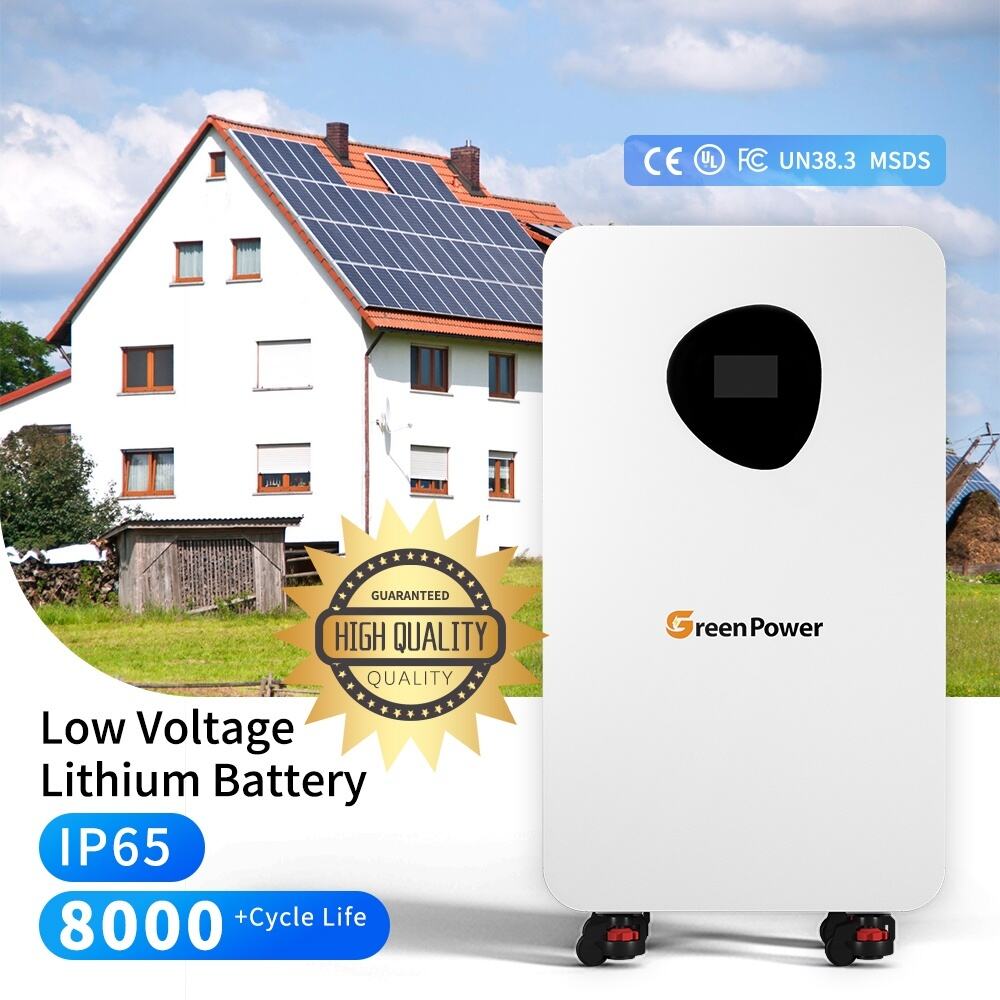
Lithium iron phosphate batteries, commonly known as LiFePO4 batteries, have revolutionized energy storage across industrial and consumer applications. These advanced power solutions offer exceptional performance characteristics that make them increasingly popular for renewable energy systems, electric vehicles, marine applications, and backup power solutions. Understanding how to properly evaluate these batteries requires a comprehensive analysis of their capacity ratings, cost-effectiveness, and operational lifespan to make informed purchasing decisions.
The growing adoption of lithium iron phosphate technology stems from its superior safety profile and stable chemistry compared to other lithium-ion variants. Manufacturing advances have significantly improved the energy density and reduced production costs, making these batteries more accessible to businesses and consumers seeking reliable energy storage solutions. Proper evaluation techniques enable buyers to select the most suitable battery configuration for their specific requirements while maximizing return on investment.
Understanding Battery Capacity Fundamentals
Amp-Hour Rating Analysis
Battery capacity measurement in amp-hours represents the total amount of electrical charge a battery can deliver over time under specific conditions. For LiFePO4 batteries, capacity ratings typically range from 50Ah to 400Ah or higher, depending on the intended application and physical size constraints. Understanding these ratings helps determine whether a particular battery meets your energy storage requirements.
Manufacturers test capacity under standardized conditions, usually at room temperature with a specific discharge current rate. The C-rate indicates how quickly the battery discharges relative to its capacity, where C/5 means the battery discharges over five hours. Higher discharge rates generally result in slightly reduced available capacity due to internal resistance effects and chemical reaction limitations within the battery cells.
Real-world capacity performance can vary significantly from laboratory ratings due to temperature variations, discharge patterns, and aging effects. Cold temperatures reduce available capacity, while high temperatures can accelerate degradation. Evaluating capacity should consider your operational environment and typical usage patterns to ensure adequate performance margins.
Energy Density Considerations
Energy density measures how much energy storage capacity exists per unit of weight or volume, expressed in watt-hours per kilogram or per liter. Modern lithium iron phosphate cells achieve energy densities between 90-160 Wh/kg, which significantly exceeds traditional lead-acid batteries. Higher energy density translates to lighter, more compact battery systems for the same energy storage capacity.
Volumetric energy density becomes particularly important in space-constrained applications such as recreational vehicles, boats, or portable power systems. Battery manufacturers continue improving cell chemistry and packaging efficiency to maximize energy density while maintaining safety and longevity characteristics. Comparing energy density specifications helps identify the most space-efficient solutions for your installation requirements.
System-level energy density calculations should include battery management systems, protective housings, and interconnection hardware to provide realistic performance expectations. Some manufacturers offer integrated battery modules that optimize overall system energy density through compact packaging and integrated electronics.

Comprehensive Cost Analysis Framework
Initial Purchase Price Evaluation
Upfront battery costs vary significantly based on capacity, quality grade, manufacturer reputation, and included features such as integrated battery management systems. Premium lithium iron phosphate batteries typically cost between $150-300 per kilowatt-hour of storage capacity, while entry-level options may start around $100 per kWh. Comparing prices requires careful attention to specifications and warranty terms.
Volume purchasing often provides substantial cost reductions, making larger installations more economically attractive on a per-unit basis. Some manufacturers offer tiered pricing structures that reward bulk orders or long-term purchasing agreements. Factoring shipping, handling, and installation costs provides a more accurate total system cost assessment.
Quality considerations significantly impact long-term value despite higher initial costs. Premium batteries typically feature superior manufacturing quality control, better materials selection, and more comprehensive testing procedures. These factors contribute to improved reliability, longer service life, and reduced maintenance requirements over the battery's operational lifespan.
Total Cost of Ownership Calculations
Lifetime cost analysis provides the most accurate financial evaluation by considering initial purchase price, installation expenses, maintenance requirements, replacement cycles, and disposal costs. LiFePO4 batteries generally offer lower total ownership costs compared to lead-acid alternatives despite higher upfront investments due to extended service life and minimal maintenance needs.
Operating cost factors include charging efficiency, depth of discharge capabilities, and cycle life performance. Lithium iron phosphate technology achieves 95-98% charging efficiency compared to 80-85% for lead-acid batteries, reducing electricity costs over time. The ability to discharge to 80-90% capacity without damage eliminates the need for oversized battery banks.
Maintenance cost advantages include elimination of regular electrolyte monitoring, equalization charging requirements, and ventilation system needs. These reduced maintenance demands translate to lower labor costs and improved system reliability. Disposal costs for lithium batteries are typically higher than lead-acid but occur much less frequently due to extended service life.
Lifespan Assessment Methodologies
Cycle Life Performance Standards
Cycle life represents the number of charge-discharge cycles a battery can complete before capacity drops below specified performance thresholds, typically 80% of original capacity. Quality LiFePO4 batteries commonly achieve 3,000-6,000 cycles at 80% depth of discharge, significantly exceeding lead-acid battery performance of 500-1,500 cycles under similar conditions.
Testing standards such as IEC 61960 and UL 1642 provide standardized methodologies for evaluating cycle life performance under controlled laboratory conditions. However, real-world performance depends heavily on usage patterns, charging practices, temperature management, and maintenance quality. Manufacturers should provide detailed cycle life data under various operating conditions.
Partial cycle operation typically extends overall battery life compared to deep discharge applications. Maintaining charge levels between 20-90% capacity can double or triple achievable cycle counts while still providing substantial usable capacity. Understanding your application's discharge requirements enables optimization of battery sizing and operating parameters for maximum lifespan.
Environmental Impact Factors
Temperature extremes significantly affect battery lifespan, with high temperatures accelerating chemical degradation and cold temperatures reducing capacity and increasing internal resistance. Operating temperature ranges for lithium iron phosphate batteries typically span -20°C to 60°C, though performance optimization occurs between 15-25°C. Thermal management systems may be necessary for extreme environments.
Humidity, vibration, and mechanical stress also influence long-term reliability and performance degradation rates. Marine and mobile applications require batteries designed to withstand constant vibration and moisture exposure. Proper installation techniques and protective enclosures help minimize environmental stress factors that could reduce operational lifespan.
Storage conditions during periods of non-use affect battery health and longevity. Lithium iron phosphate cells should be stored at 50-60% charge levels in cool, dry environments to minimize capacity loss during extended storage periods. Periodic maintenance charging may be required for long-term storage applications to prevent over-discharge damage.
Performance Testing and Validation
Capacity Verification Procedures
Independent capacity testing validates manufacturer specifications and identifies potential quality issues before deployment. Standard testing involves fully charging the battery, then discharging at a specified current rate while monitoring voltage and current until the cutoff voltage is reached. The total amp-hours delivered during discharge represents actual capacity performance.
Multiple discharge tests at different current rates provide comprehensive performance characterization, revealing how capacity varies with load conditions. Some applications require high discharge rates for short periods, while others need consistent moderate current delivery over extended timeframes. Testing under anticipated operating conditions provides the most relevant performance data.
Temperature-compensated testing reveals capacity variations across operating temperature ranges, helping validate suitability for specific environmental conditions. Cold-weather testing is particularly important for outdoor installations or mobile applications where batteries may experience sub-zero temperatures during operation or storage periods.
Safety and Reliability Assessment
Safety testing protocols evaluate battery response to abuse conditions such as overcharge, over-discharge, short circuits, mechanical damage, and thermal exposure. Lithium iron phosphate chemistry provides inherently safer characteristics compared to other lithium-ion technologies, but proper testing validates safety performance under extreme conditions.
Battery management system functionality testing ensures proper monitoring and protection of individual cells within battery packs. Advanced BMS units provide cell balancing, temperature monitoring, current limiting, and communication capabilities that enhance safety and extend operational life. Validation testing confirms these protective features operate correctly under various fault conditions.
Long-term reliability testing through accelerated aging protocols helps predict performance degradation over extended operational periods. These tests subject batteries to elevated temperatures, continuous cycling, and stress conditions to simulate years of normal operation in compressed timeframes. Results provide confidence in projected lifespan estimates and warranty coverage.
Selection Criteria and Best Practices
Application-Specific Requirements
Different applications impose varying demands on battery performance characteristics, requiring careful matching of battery specifications to operational requirements. Solar energy storage systems prioritize deep discharge capability and long cycle life, while backup power applications emphasize reliability and rapid response times. Understanding your specific needs guides appropriate battery selection.
Power delivery requirements determine necessary discharge current capabilities and voltage regulation performance. High-power applications such as electric vehicle propulsion require batteries capable of delivering substantial current while maintaining stable voltage levels. Lower-power applications may prioritize energy capacity over peak power delivery capabilities.
Integration considerations include physical dimensions, weight constraints, electrical connections, and monitoring requirements. Some installations have strict size limitations that favor compact, high-energy-density solutions despite potentially higher costs. Communication protocols and monitoring interfaces should align with existing system architectures for seamless integration.
Quality Assurance and Manufacturer Evaluation
Manufacturer reputation and quality certifications provide important indicators of product reliability and support quality. Look for companies with established track records in lithium battery manufacturing and relevant industry certifications such as ISO 9001, UL listings, and CE marking. Customer references and case studies demonstrate real-world performance in similar applications.
Warranty terms and technical support availability significantly impact total ownership experience and risk management. Comprehensive warranties covering both capacity retention and operational defects provide protection against premature failure. Responsive technical support helps resolve installation issues and optimize system performance throughout the battery's operational life.
Supply chain stability and component sourcing practices affect long-term availability and consistency of battery products. Manufacturers with diversified supplier networks and quality control procedures provide greater assurance of continued product availability and consistent performance characteristics across production batches.
FAQ
What factors most significantly impact LiFePO4 battery lifespan
Temperature management represents the most critical factor affecting lithium iron phosphate battery longevity, with high temperatures accelerating degradation and reducing cycle life significantly. Maintaining operating temperatures between 15-25°C optimizes performance, while temperatures above 40°C can reduce lifespan by 50% or more. Depth of discharge also plays a crucial role, with shallower discharge cycles extending operational life substantially compared to deep discharge applications.
How do LiFePO4 batteries compare to lead-acid in total cost of ownership
While lithium iron phosphate batteries cost 2-4 times more initially than lead-acid alternatives, their superior cycle life, higher efficiency, and minimal maintenance requirements typically result in 20-40% lower total ownership costs over 10-15 year periods. The longer lifespan eliminates multiple replacement cycles, while higher charging efficiency and deeper discharge capability reduce electricity costs and system sizing requirements.
What capacity testing should be performed before battery deployment
Comprehensive capacity verification should include full discharge testing at multiple current rates, temperature performance evaluation across expected operating ranges, and cell balance assessment for multi-cell battery packs. Testing under actual load conditions provides the most relevant performance data, while standardized testing protocols enable comparison with manufacturer specifications and industry benchmarks.
How important are battery management systems for LiFePO4 batteries
Battery management systems are essential for multi-cell LiFePO4 installations, providing cell balancing, overcurrent protection, and temperature monitoring that significantly extend battery life and ensure safe operation. Advanced BMS units offer communication capabilities for remote monitoring and integration with energy management systems, enabling optimization of charging and discharge patterns for maximum performance and longevity.