 EN
EN

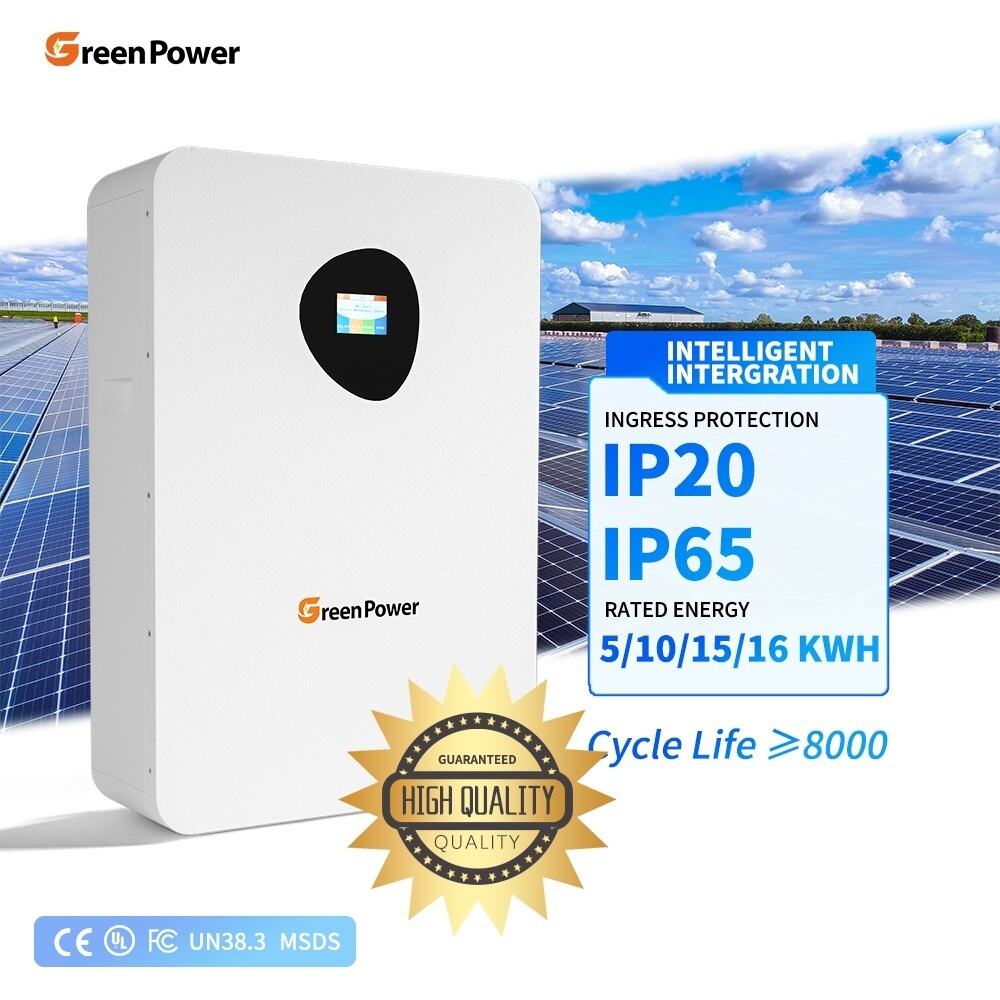
The growing demand for energy independence and sustainable living has made home battery storage systems an essential component of modern residential energy management. These innovative solutions enable homeowners to store excess energy generated from renewable sources like solar panels, reducing reliance on traditional grid electricity while providing backup power during outages. As utility costs continue to rise and environmental consciousness increases, understanding the various types of home battery storage systems becomes crucial for making informed decisions about residential energy infrastructure.
Modern home battery storage systems come in multiple configurations and technologies, each designed to meet specific household energy needs and installation requirements. The market offers everything from compact units suitable for apartments to large-scale systems capable of powering entire homes for days. These systems have evolved significantly over the past decade, incorporating advanced battery chemistries, smart management software, and seamless integration capabilities with existing electrical systems and renewable energy sources.
Battery Chemistry Technologies in Residential Storage
Lithium-Ion Battery Systems
Lithium-ion technology dominates the residential battery storage market due to its exceptional energy density, long cycle life, and declining costs. These home battery storage systems typically offer 10-15 years of reliable operation with minimal maintenance requirements. The chemistry provides excellent charge and discharge efficiency, often exceeding 95%, which maximizes the amount of stored energy available for household use. Advanced lithium-ion systems include sophisticated battery management systems that monitor individual cell performance, temperature regulation, and safety protocols.
The compact size of lithium-ion home battery storage systems makes them ideal for residential installations where space is limited. These units can be wall-mounted in garages, basements, or utility rooms without requiring extensive modifications to existing infrastructure. Many manufacturers offer modular designs that allow homeowners to start with smaller capacities and expand their storage capacity as energy needs grow or financial circumstances permit.
Lithium Iron Phosphate Technology
Lithium iron phosphate represents a specialized subset of lithium-ion technology that prioritizes safety and longevity over energy density. These home battery storage systems offer exceptional thermal stability and are virtually immune to thermal runaway, making them particularly suitable for residential applications where safety is paramount. The chemistry typically provides 6,000-8,000 charge cycles, significantly exceeding standard lithium-ion alternatives.
While lithium iron phosphate systems may require slightly larger installations due to lower energy density, they compensate with superior performance in extreme temperatures and enhanced safety characteristics. These systems operate effectively in temperature ranges from -20°C to 60°C, making them suitable for installations in various climatic conditions. The chemistry also maintains consistent performance throughout its operational life, with minimal capacity degradation over time.
Lead-Acid Battery Solutions
Traditional lead-acid technology remains relevant in home battery storage systems, particularly for budget-conscious installations or applications requiring proven, well-understood technology. Modern sealed lead-acid and absorbed glass mat designs offer improved performance compared to flooded cell alternatives, requiring minimal maintenance while providing reliable energy storage. These systems typically cost 40-60% less than lithium alternatives, making energy storage accessible to a broader range of homeowners.
Lead-acid home battery storage systems excel in applications requiring high surge currents and can handle demanding loads like electric water heaters or air conditioning systems. However, they require careful management to prevent deep discharge cycles that can significantly reduce lifespan. Modern charge controllers and monitoring systems help optimize lead-acid performance, extending operational life to 5-8 years under proper management.
System Configuration and Installation Types
DC-Coupled Storage Systems
DC-coupled home battery storage systems connect directly to the DC output of solar panel arrays, eliminating conversion losses associated with AC coupling. This configuration typically achieves 5-10% higher overall system efficiency by reducing the number of power conversions required. The setup requires a hybrid inverter capable of managing both solar input and battery charging while converting DC power to AC for household consumption.
These systems offer superior performance during grid outages since they can operate independently without external AC reference signals. DC-coupled home battery storage systems also provide faster response times for load changes and can more effectively utilize available solar energy during periods of intermittent cloud cover. Installation complexity is generally lower since fewer components are required, though system design must carefully consider voltage compatibility between solar arrays and battery banks.
AC-Coupled Storage Configurations
AC-coupled home battery storage systems connect to the AC side of existing solar installations, making them ideal for retrofitting homes with established solar arrays. This configuration allows battery storage to be added without modifying existing solar inverters or electrical connections. The flexibility of AC coupling enables homeowners to select battery systems independently of their solar equipment, often resulting in better price competition and component selection.
These systems typically include dedicated battery inverters that handle charging and discharging operations while maintaining synchronization with grid frequency and voltage. AC-coupled home battery storage systems can also charge from grid electricity during off-peak hours when utility rates are lower, providing arbitrage opportunities that offset system costs. The configuration supports multiple battery banks and can integrate with various renewable energy sources beyond solar panels.
Hybrid System Implementations
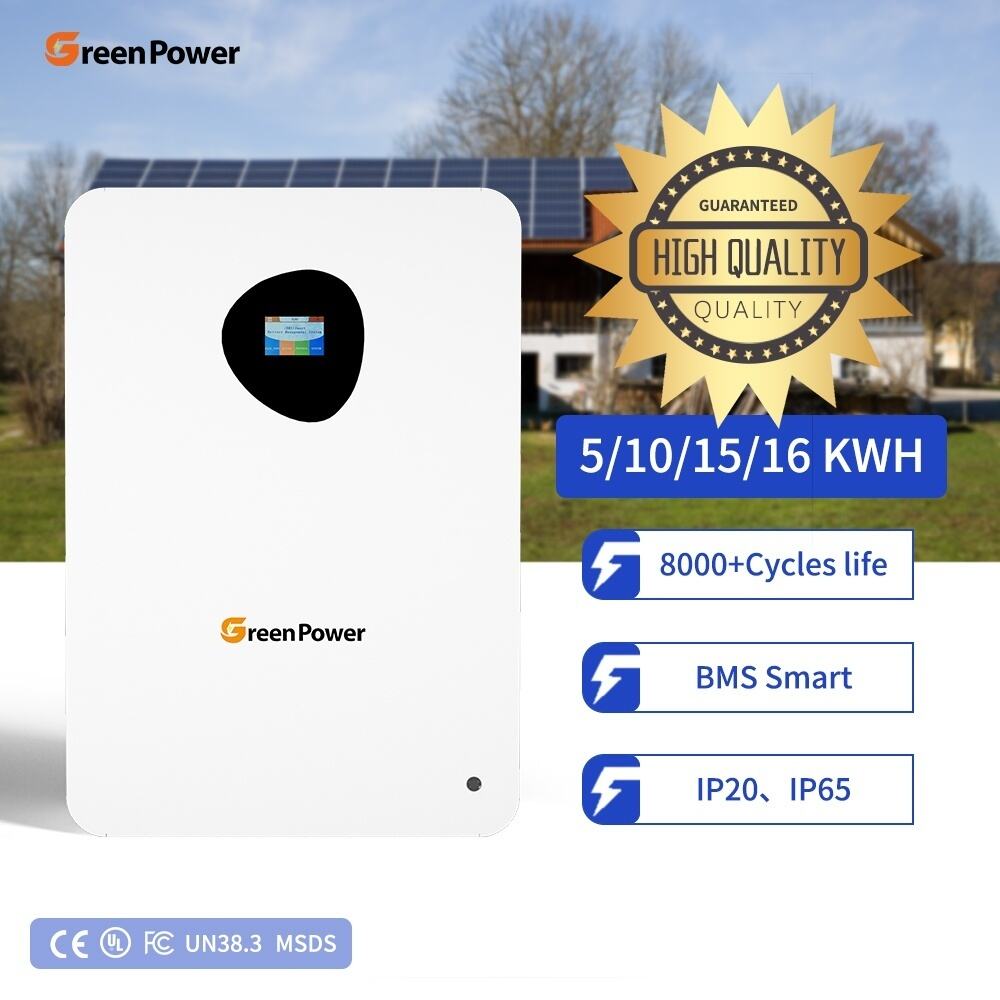
Hybrid home battery storage systems combine multiple energy sources and storage technologies to maximize reliability and efficiency. These comprehensive solutions often integrate solar panels, wind generators, and backup generators with battery storage and intelligent control systems. The approach provides ultimate energy security by ensuring power availability regardless of weather conditions or grid status.
Advanced hybrid systems include predictive algorithms that analyze weather forecasts, utility rate schedules, and household consumption patterns to optimize energy flow automatically. These home battery storage systems can pre-charge batteries before predicted outages, shift loads to minimize peak demand charges, and coordinate multiple energy sources for maximum efficiency. Integration with smart home systems enables automated load management that prioritizes critical circuits during extended outages.
Capacity and Sizing Considerations
Residential Scale Classifications
Home battery storage systems are typically classified by usable capacity, measured in kilowatt-hours, ranging from small 5-10 kWh units to large residential systems exceeding 50 kWh. Small-scale systems provide essential backup power for critical loads like refrigeration, lighting, and communication equipment during brief outages. These compact solutions often suffice for apartments, small homes, or households with minimal energy storage requirements.
Medium-scale home battery storage systems in the 15-25 kWh range can support typical household loads for 8-24 hours depending on consumption patterns and available solar generation. These systems represent the most popular segment for average suburban homes with standard electrical loads including heating, cooling, and appliances. Large-scale residential systems provide multi-day backup capability or enable complete grid independence for homes with substantial energy requirements.
Load Analysis and System Matching
Proper sizing of home battery storage systems requires comprehensive analysis of household electrical consumption patterns, peak demand requirements, and desired backup duration. Smart monitoring systems can track actual usage over extended periods, identifying consumption trends that inform optimal battery capacity selection. Critical load analysis determines which circuits must remain powered during outages, allowing system designers to focus capacity on essential functions.
Seasonal variations in energy consumption significantly impact home battery storage systems sizing requirements. Heating and cooling loads can triple energy consumption compared to moderate weather periods, necessitating larger battery capacities or supplementary generation sources. Advanced systems incorporate weather-based predictive algorithms that adjust charging and discharging strategies based on forecasted consumption patterns and renewable energy availability.
Integration with Smart Home Technology
Intelligent Energy Management
Modern home battery storage systems incorporate sophisticated energy management platforms that optimize performance based on real-time data and user preferences. These systems continuously monitor grid conditions, solar generation, battery state of charge, and household consumption to make intelligent decisions about energy flow. Machine learning algorithms improve system performance over time by recognizing consumption patterns and anticipating energy needs.
Smart home integration allows home battery storage systems to communicate with appliances, thermostats, and other electrical devices to coordinate energy usage automatically. During peak rate periods, systems can reduce air conditioning loads while maintaining comfort levels, or delay non-critical appliance operation until rates decrease. This intelligent coordination maximizes the financial benefits of battery storage while ensuring household comfort and convenience.
Remote Monitoring and Control
Contemporary home battery storage systems offer comprehensive remote monitoring capabilities through smartphone applications and web-based interfaces. Users can track energy production, consumption, and storage levels in real-time while receiving alerts about system performance or maintenance requirements. Historical data analysis helps homeowners understand their energy usage patterns and identify opportunities for additional savings.
Remote control functionality enables users to adjust system settings, initiate backup mode operation, or modify charging schedules from anywhere with internet connectivity. Professional installers and system manufacturers can also access diagnostic data remotely, enabling proactive maintenance and rapid troubleshooting when issues arise. These home battery storage systems often include automatic software updates that enhance performance and add new features over time.
Economic and Environmental Benefits
Financial Return Analysis
Investment in home battery storage systems generates returns through multiple mechanisms including peak demand reduction, time-of-use arbitrage, and backup power value. Peak shaving capabilities can significantly reduce monthly demand charges for households on applicable utility rate structures. Time-of-use arbitrage allows systems to charge during low-rate periods and discharge during expensive peak hours, generating daily savings that accumulate substantially over system lifetime.
Federal and state incentive programs often provide substantial financial support for home battery storage systems installations, reducing net costs by 30-50% in many regions. These incentives, combined with declining equipment costs and rising utility rates, have improved payback periods to 5-8 years for well-designed systems. Additional value derives from avoiding costly generator purchases, reducing insurance premiums in some cases, and increasing property values.
Environmental Impact Reduction
Home battery storage systems contribute significantly to reducing household carbon footprints by maximizing utilization of clean renewable energy and reducing dependence on fossil fuel-based grid electricity. These systems enable higher solar self-consumption rates, preventing excess renewable energy from being exported to grids that may still rely heavily on carbon-intensive generation sources.
Battery storage also supports grid stability by providing distributed energy resources that reduce transmission losses and peak generation requirements. When thousands of home battery storage systems operate collectively, they create virtual power plants that can provide grid services while reducing the need for polluting peaker plants. This distributed approach enhances overall electric system efficiency while accelerating the transition to renewable energy sources.
FAQ
How long do home battery storage systems typically last
Most modern home battery storage systems are designed to operate effectively for 10-15 years depending on the battery chemistry and usage patterns. Lithium-ion systems typically maintain 80% of their original capacity after 6,000-10,000 charge cycles, while lithium iron phosphate versions often exceed 8,000 cycles. Lead-acid alternatives generally provide 3-8 years of service life depending on depth of discharge and maintenance practices. Manufacturers typically provide warranties covering 10 years or specific energy throughput guarantees.
Can home battery storage systems work during power outages
Yes, properly configured home battery storage systems can provide backup power during grid outages, though specific capabilities depend on system design and installation details. Systems with backup functionality typically include automatic transfer switches that isolate the home from the grid during outages while maintaining power to selected circuits. The duration of backup power depends on battery capacity, connected loads, and available solar generation. Most residential systems can power essential loads for 8-24 hours or longer with careful load management.
What maintenance is required for residential battery storage
Modern home battery storage systems require minimal maintenance compared to traditional generators or older battery technologies. Lithium-based systems typically need only annual inspections to verify proper ventilation, check electrical connections, and update software when necessary. Lead-acid systems may require periodic specific gravity checks and terminal cleaning. Most systems include self-diagnostic capabilities that alert users to potential issues before they become serious problems, and many manufacturers offer remote monitoring services.
How much do home battery storage systems cost to install
Installation costs for home battery storage systems vary significantly based on capacity, technology, and complexity, typically ranging from $10,000-$30,000 for complete residential systems before incentives. Smaller 10-15 kWh lithium systems often cost $15,000-$20,000 installed, while larger systems or premium technologies command higher prices. Federal tax credits can reduce costs by 30%, and many states offer additional rebates or incentives. When evaluating costs, consider long-term savings from reduced electricity bills, backup power value, and potential increases in property value.