 EN
EN

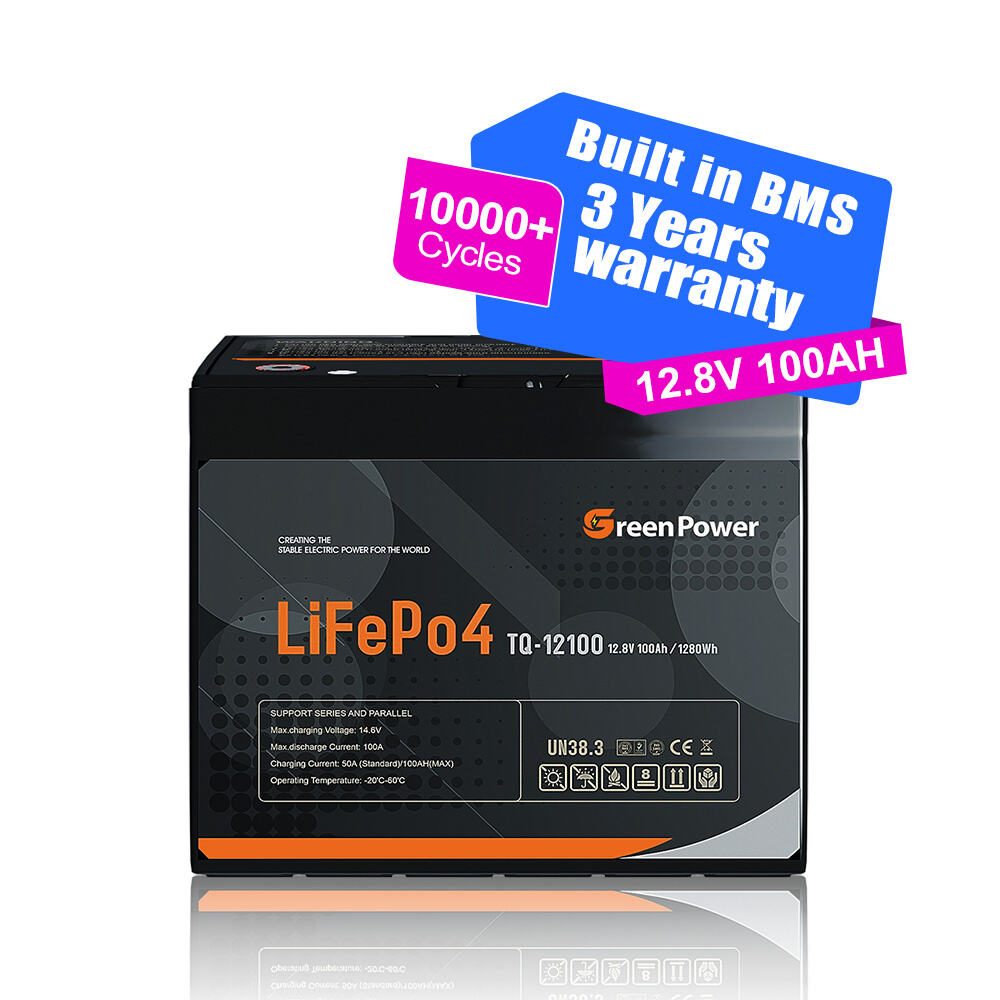
Κατά την επιλογή λύσεων αποθήκευσης ενέργειας για βιομηχανικές εφαρμογές, η κατανόηση του τρόπου σωστής αξιολόγησης μπαταρίες ιόντων λιθίου αποκτά κρίσιμη σημασία για τη λήψη ενημερωμένων αποφάσεων αγοράς. Αυτά τα προηγμένα συστήματα αποθήκευσης ενέργειας έχουν επαναστατήσει πολλούς τομείς, από την αυτοκινητοβιομηχανία και τη ναυτιλία μέχρι τις ανανεώσιμες πηγές ενέργειας και τα συστήματα ανεφοδιασμού. Η διαδικασία αξιολόγησης απαιτεί προσεκτική εξέταση τριών βασικών παραγόντων: οικονομική απόδοση, απαιτήσεις χωρητικότητας και μακροπρόθεσμη αξιοπιστία. Οι σύγχρονες επιχειρήσεις εξαρτώνται όλο και περισσότερο από αυτές τις λύσεις παροχής ενέργειας για τη διατήρηση της λειτουργικής συνέχειας και της αποδοτικότητας.
Η πολυπλοκότητα της αξιολόγησης συστημάτων μπαταριών ξεπερνά τις απλές συγκρίσεις τιμών. Οι επαγγελματίες αγοραστές πρέπει να αναλύουν το συνολικό κόστος ιδιοκτησίας, τις προδιαγραφές απόδοσης υπό διάφορες συνθήκες λειτουργίας και την αναμενόμενη διάρκεια ζωής για να προσδιορίσουν την πραγματική αξία. Η εκτεταμένη αυτή προσέγγιση διασφαλίζει ότι οι αποφάσεις επένδυσης συμφωνούν τόσο με τις άμεσες λειτουργικές ανάγκες όσο και με τους μακροπρόθεσμους στρατηγικούς στόχους. Η κατανόηση αυτών των κριτηρίων αξιολόγησης βοηθά τους οργανισμούς να αποφεύγουν δαπανηρά λάθη και να μεγιστοποιούν την απόδοση της επένδυσης.
Κατανόηση της ανάλυσης κόστους για συστήματα μπαταριών
Παράγοντες αρχικής τιμής αγοράς
Το αρχικό κόστος των μπαταριών ιόντων λιθίου συχνά αποτελεί την πιο ορατή δαπάνη, αλλά οι έμπειροι αγοραστές αντιλαμβάνονται ότι αυτό είναι μόνο ένα στοιχείο του συνολικού κόστους ιδιοκτησίας. Τα προηγμένα συστήματα μπαταριών συνήθως έχουν υψηλότερες αρχικές τιμές λόγω προηγμένων διαδικασιών παραγωγής, ανώτερων υλικών και βελτιωμένων χαρακτηριστικών ασφαλείας. Ωστόσο, αυτές οι υψηλότερης ποιότητας μονάδες συχνά προσφέρουν καλύτερη μακροπρόθεσμη αξία μέσω επεκτατής διάρκειας ζωής και μειωμένων αναγκών συντήρησης.
Κατά τη σύγκριση των αρχικών τιμών, οι αγοραστές θα πρέπει να αξιολογούν το κόστος ανά χιλιοβάτ-ώρα χωρητικότητας, αντί να επικεντρώνονται αποκλειστικά στα απόλυτα χρηματικά ποσά. Αυτό το μέτρο παρέχει μια τυποποιημένη μέθοδο σύγκρισης μεταξύ διαφορετικών διαμορφώσεων μπαταριών και κατασκευαστών. Επιπλέον, θα πρέπει να λαμβάνονται υπόψην τυχόν απαιτούμενος εξοπλισμός υποστήριξης, όπως συστήματα διαχείρισης μπαταριών, υποδομές φόρτισης και εξαρτήματα εγκατάστασης, κατά τον υπολογισμό της πραγματικής αρχικής επένδυσης.
Μακροπρόθεσμα Λειτουργικά Έξοδα
Τα λειτουργικά κόστη επηρεάζουν σημαντικά τις συνολικές δαπάνες ιδιοκτησίας κατά τη διάρκεια ζωής του συστήματος μπαταρίας. Αυτές οι επαναλαμβανόμενες δαπάνες περιλαμβάνουν την τακτική συντήρηση, το κόστος των συστημάτων παρακολούθησης και τυχόν αντικατάσταση εξαρτημάτων. Οι μπαταρίες ιόντων λιθίου υψηλής ποιότητας απαιτούν συνήθως ελάχιστη συντήρηση σε σύγκριση με τις παραδοσιακές εναλλακτικές λύσεις μολύβδου-οξέος, μειώνοντας το κόστος εργασίας και τις λειτουργικές διακοπές.
Η ενεργειακή απόδοση επηρεάζει άμεσα τα λειτουργικά έξοδα μέσω της μείωσης της συχνότητας φόρτισης και της χαμηλότερης κατανάλωσης ηλεκτρικής ενέργειας. Τα προηγμένα συστήματα μπαταριών συχνά επιτυγχάνουν υψηλότερα ποσοστά απόδοσης γύρου, πράγμα που σημαίνει ότι χάνεται λιγότερη ενέργεια κατά τη διάρκεια των κύκλων φόρτισης και αποφόρτισης. Αυτή η βελτιωμένη απόδοση μεταφράζεται σε μετρήσιμη εξοικονόμηση κόστους με την πάροδο του χρόνου, ιδιαίτερα σε εφαρμογές με συχνούς κύκλους ή απαιτήσεις συνεχούς λειτουργίας.
Αξιολόγηση Χωρητικότητας και Δείκτες Απόδοσης
Προσδιορισμός Πραγματικής έναντι Ονομαστικής Χωρητικότητας
Οι προδιαγραφές χωρητικότητας μπαταρίας μπορούν να διαφέρουν σημαντικά ανάμεσα στους κατασκευαστές, καθιστώντας δύσκολη την ακριβή σύγκριση χωρίς γνώση των βιομηχανικών προτύπων και των μεθόδων δοκιμής. Η ονομαστική χωρητικότητα συνήθως αντιπροσωπεύει την απόδοση σε ιδανικές εργαστηριακές συνθήκες, ενώ η πραγματική χωρητικότητα εξαρτάται από τη θερμοκρασία λειτουργίας, το ρυθμό εκφόρτισης και την ηλικία του συστήματος μπαταρίας. Η επαγγελματική αξιολόγηση απαιτεί κατανόηση αυτών των μεταβλητών και της επίδρασής τους στην απόδοση σε πραγματικές συνθήκες.
Οι επιδράσεις της θερμοκρασίας επηρεάζουν σημαντικά τη διαθέσιμη χωρητικότητα, με ακραίες θερμοκρασίες, ψύχους ή ζέστης, να μειώνουν την αποτελεσματική χωρητικότητα αποθήκευσης. Τα ποιοτικά συστήματα μπαταριών διαθέτουν χαρακτηριστικά διαχείρισης θερμότητας για τη διατήρηση σταθερής απόδοσης σε ευρύτερα εύρη θερμοκρασίας. Κατά την αξιολόγηση της χωρητικότητας, λάβετε υπόψη τις συγκεκριμένες περιβαλλοντικές συνθήκες όπου θα λειτουργούν οι μπαταρίες και επαληθεύστε ότι οι προδιαγραφές του κατασκευαστή λαμβάνουν υπόψη αυτούς τους παράγοντες.
Ρυθμός εκφόρτισης και παράδοση ισχύος
Η σχέση μεταξύ του ρυθμού εκφόρτωσης και της διαθέσιμης χωρητικότητας αποτελεί ένα κρίσιμο χαρακτηριστικό απόδοσης που ποικίλλει ανάλογα με την τεχνολογία και το σχεδιασμό των μπαταριών. Σε εφαρμογές υψηλού ρυθμού εκφόρτωσης, μπορεί να χρησιμοποιείται μόνο ένα κλάσμα της συνολικής ονομαστικής χωρητικότητας, γεγονός που καθιστά αυτή την προδιαγραφή απαραίτητη για εφαρμογές που απαιτούν ισχυρές εκρήξεις ισχύος. Η κατανόηση των προδιαγραφών C-rate βοηθά στην πρόβλεψη της πραγματικής απόδοσης υπό συγκεκριμένες συνθήκες φορτίου.
Η συνέπεια στην παράδοση ισχύος κατά τη διάρκεια του κύκλου εκφόρτωσης επηρεάζει την απόδοση του εξοπλισμού και τη λειτουργική αξιοπιστία. Οι ανώτερες μπαταρίες ιόντων λιθίου διατηρούν σταθερή τάση εξόδου στο μεγαλύτερο μέρος του εύρους εκφόρτωσής τους, παρέχοντας σταθερή ισχύ στον συνδεδεμένο εξοπλισμό. Αυτό το χαρακτηριστικό αποδεικνύεται ιδιαίτερα σημαντικό για ευαίσθητα ηλεκτρονικά συστήματα που απαιτούν σταθερή τροφοδοσία ισχύος για βέλτιστη λειτουργία.
Παράγοντες Αξιοπιστίας και Θέματα Ασφαλείας
Κύκλος Ζωής και Πρότυπα Φθοράς
Οι προδιαγραφές διάρκειας ζωής κύκλου υποδεικνύουν πόσους κύκλους φόρτισης-αποφόρτισης μπορούν να ολοκληρώσουν οι μπαταρίες πριν η χωρητικότητα μειωθεί σε μια προκαθορισμένη τιμή, συνήθως ογδόντα τοις εκατό της αρχικής χωρητικότητας. Ωστόσο, η πραγματική διάρκεια ζωής κύκλου εξαρτάται σε μεγάλο βαθμό από το βάθος αποφόρτισης, τις μεθόδους φόρτισης και τις συνθήκες λειτουργίας. Η επαναληπτική αποφόρτιση με μικρό βάθος γενικά επεκτείνει τη διάρκεια ζωής της μπαταρίας σε σύγκριση με εφαρμογές βαθιάς αποφόρτισης.
Η κατανόηση των μοτίβων υποβάθμισης βοηθά στην πρόβλεψη της χρονικής στιγμής αντικατάστασης και στον προϋπολογισμό μελλοντικών αναβαθμίσεων συστημάτων μπαταριών. Οι μπαταρίες ιόντων λιθίου υψηλής ποιότητας παρουσιάζουν σταδιακή μείωση χωρητικότητας αντί για ξαφνική βλάβη, επιτρέποντας τον προγραμματισμό αντικατάστασης. Αυτό το προβλέψιμο μοτίβο υποβάθμισης επιτρέπει καλύτερο σχεδιασμό συντήρησης και μειώνει τους κινδύνους απρόβλεπτης διακοπής λειτουργίας.
Χαρακτηριστικά Ασφάλειας και Συστήματα Προστασίας
Τα προηγμένα συστήματα διαχείρισης μπαταριών παρέχουν απαραίτητες λειτουργίες παρακολούθησης και προστασίας για την ασφάλεια, οι οποίες αποτρέπουν επικίνδυνες συνθήκες λειτουργίας. Τα συστήματα αυτά παρακολουθούν τις τάσεις κάθε κελιού, τις θερμοκρασίες και τη ροή ρεύματος για να αποτρέψουν υπερφόρτιση, βαθιά εκφόρτιση και συνθήκες θερμικής αστάθειας. Τα αξιόπιστα συστήματα προστασίας αποτελούν κρίσιμες επενδύσεις ασφαλείας που προστατεύουν τόσο τον εξοπλισμό όσο και το προσωπικό.
Οι κατασκευαστές ποιότητας ενσωματώνουν πολλαπλά ασφαλιστικά συστήματα ασφαλείας, όπως βαλβίδες απελευθέρωσης πίεσης, θερμικές ασφάλειες και εξελιγμένους αλγόριθμους παρακολούθησης. Τα χαρακτηριστικά αυτά λειτουργούν από κοινού για να διατηρούν την ασφαλή λειτουργία ακόμη και υπό ακανόνιστες συνθήκες ή αστοχίες εξαρτημάτων. Κατά την αξιολόγηση συστημάτων μπαταριών, διασφαλίστε ότι οι πιστοποιήσεις ασφαλείας συμμορφώνονται με τα σχετικά βιομηχανικά πρότυπα για τη συγκεκριμένη εφαρμογή σας.
Περιβαλλοντικές και Λειτουργικές Συνθήκες
Χαρακτηριστικά Απόδοσης Θερμοκρασίας
Τα εύρη λειτουργίας θερμοκρασίας επηρεάζουν σημαντικά την απόδοση, τη διάρκεια ζωής και τα χαρακτηριστικά ασφαλείας των μπαταριών. Οι μπαταρίες ιόντων λιθίου γενικά παρουσιάζουν καλή απόδοση σε μέτρια εύρη θερμοκρασίας, αλλά μπορεί να απαιτούν συστήματα διαχείρισης θερμότητας σε ακραία περιβάλλοντα. Η κατανόηση των προδιαγραφών του κατασκευαστή για την απόδοση σε σχέση με τη θερμοκρασία βοηθά στη διασφάλιση αξιόπιστης λειτουργίας σε συγκεκριμένα περιβάλλοντα εγκατάστασης.
Η λειτουργία σε ψυχρό κλίμα μειώνει συνήθως τη διαθέσιμη χωρητικότητα και μπορεί να απαιτεί συστήματα θέρμανσης για τη διατήρηση της απόδοσης. Αντίθετα, η λειτουργία σε υψηλές θερμοκρασίες μπορεί να επιταχύνει τις διαδικασίες γήρανσης και μπορεί να απαιτεί συστήματα ψύξης για την αποφυγή ζημιών. Η αξιολόγηση των περιβαλλοντικών απαιτήσεων στα πρώτα στάδια της διαδικασίας επιλογής βοηθά στον εντοπισμό των απαιτούμενων υποστηρικτικών συστημάτων και του σχετικού κόστους τους.
Απαιτήσεις Εγκατάστασης και Ενσωμάτωσης
Οι φυσικές διαστάσεις, το βάρος και οι απαιτήσεις στήριξης επηρεάζουν την πολυπλοκότητα της εγκατάστασης και τους συνδεδεμένους κόστους. Οι συμπαγείς και ελαφριές μπαταρίες συχνά απλοποιούν την εγκατάσταση και μειώνουν τις απαιτήσεις για δομική υποστήριξη. Ωστόσο, η βελτίωση της πυκνότητας ενέργειας δεν πρέπει να θυσιάζει τα χαρακτηριστικά ασφαλείας ή τις δυνατότητες διαχείρισης θερμότητας.
Η ενσωμάτωση με υπάρχοντα συστήματα απαιτεί συμβατά πρωτόκολλα επικοινωνίας και διεπαφές παρακολούθησης. Τα σύγχρονα συστήματα μπαταριών συχνά περιλαμβάνουν προηγμένες δυνατότητες παρακολούθησης που ενσωματώνονται με συστήματα διαχείρισης κτιρίων ή πλατφόρμες απομακρυσμένης παρακολούθησης. Αυτά τα χαρακτηριστικά παρέχουν πολύτιμα λειτουργικά δεδομένα, αλλά μπορεί να απαιτούν επιπλέον επενδύσεις υποδομής για πλήρη λειτουργικότητα.
Μέθοδοι Δοκιμής και Επαλήθευσης
Πρωτόκολλα Δοκιμών Απόδοσης
Η εκτεταμένη δοκιμή επικυρώνει τις προδιαγραφές του κατασκευαστή και διασφαλίζει ότι τα συστήματα μπαταριών πληρούν τις απαιτήσεις της εφαρμογής πριν από την εγκατάσταση. Οι πρότυπες διαδικασίες δοκιμών αξιολογούν τη χωρητικότητα, την απόδοση, τη διάρκεια κύκλου και τα χαρακτηριστικά ασφαλείας υπό ελεγχόμενες συνθήκες. Επαγγελματικά εργαστήρια δοκιμών παρέχουν ανεξάρτητη επαλήθευση των ισχυρισμών απόδοσης και βοηθούν στον εντοπισμό πιθανών προβλημάτων πριν από την εγκατάσταση.
Η δοκιμή στο πεδίο υπό πραγματικές συνθήκες λειτουργίας παρέχει την πιο ακριβή επαλήθευση απόδοσης, αλλά απαιτεί σημαντικό χρόνο και πόρους. Οι πιλοτικές εγκαταστάσεις επιτρέπουν την αξιολόγηση της απόδοσης σε πραγματικές συνθήκες, ελαχιστοποιώντας τον κίνδυνο για κρίσιμες λειτουργίες. Αυτή η προσέγγιση βοηθά στον εντοπισμό πιθανών προβλημάτων ενσωμάτωσης ή παραλλαγών απόδοσης που ίσως να μην εμφανίζονται κατά τη διάρκεια των εργαστηριακών δοκιμών.
Εγγύηση Ποιότητας και Πρότυπα Πιστοποίησης
Οι πιστοποιήσεις βιομηχανίας παρέχουν ανεξάρτητη επαλήθευση ότι τα συστήματα μπαταριών πληρούν καθορισμένα πρότυπα ασφαλείας και απόδοσης. Οι σχετικές πιστοποιήσεις διαφέρουν ανάλογα με την εφαρμογή, αλλά συνήθως περιλαμβάνουν καταχωρήσεις UL, πρότυπα IEC και απαιτήσεις ειδικές για τη βιομηχανία. Τα πιστοποιημένα προϊόντα υπόκεινται συνήθως σε αυστηρές δοκιμές και συνεχή παρακολούθηση της ποιότητας για τη διατήρηση της συμμόρφωσης.
Τα συστήματα ποιότητας στην παραγωγή επηρεάζουν τη μακροπρόθεσμη αξιοπιστία και τη συνέπεια μεταξύ διαφορετικών παρτίδων παραγωγής. Η πιστοποίηση ISO και παρόμοια πρότυπα διαχείρισης ποιότητας υποδεικνύουν συστηματικές προσεγγίσεις στον έλεγχο παραγωγής και τη συνεχή βελτίωση. Αυτές οι πιστοποιήσεις παρέχουν εμπιστοσύνη στη σταθερή ποιότητα του προϊόντος και στην αξιόπιστη διαχείριση της εφοδιαστικής αλυσίδας.
Συχνές ερωτήσεις
Πόσο διάρκεια ζωής έχουν συνήθως οι μπαταρίες ιόντων λιθίου σε βιομηχανικές εφαρμογές
Οι βιομηχανικές μπαταρίες ιόντων λιθίου παρέχουν συνήθως από οκτώ έως δεκαπέντε χρόνια διάρκειας ζωής, ανάλογα με τα πρότυπα χρήσης, τις περιβαλλοντικές συνθήκες και την ποιότητα του συστήματος μπαταρίας. Η διάρκεια ζωής σε κύκλους κυμαίνεται από 3.000 έως 6.000 κύκλους για τις περισσότερες εφαρμογές, με premium συστήματα να επιτυγχάνουν ακόμη μεγαλύτερη διάρκεια. Σωστές πρακτικές φόρτισης, έλεγχος θερμοκρασίας και τακτική παρακολούθηση επεκτείνουν σημαντικά τη λειτουργική διάρκεια.
Ποιοι παράγοντες επηρεάζουν σημαντικότερα τη χωρητικότητα της μπαταρίας με την πάροδο του χρόνου
Ακραίες θερμοκρασίες, βάθος εκφόρτισης και πρότυπα φόρτισης αποτελούν τους σημαντικότερους παράγοντες που επηρεάζουν τη μακροχρόνια διατήρηση χωρητικότητας. Υψηλές θερμοκρασίες επιταχύνουν τις χημικές διεργασίες αποδόμησης, ενώ οι βαθιές εκφορτίσεις δημιουργούν μεγαλύτερη τάση στα υλικά της μπαταρίας σε σύγκριση με τις επιφανειακές φορτίσεις. Η γρήγορη φόρτιση μπορεί επίσης να επηρεάσει τη διάρκεια ζωής, εάν δεν διαχειρίζεται σωστά από εξελιγμένα συστήματα διαχείρισης μπαταρίας.
Πώς υπολογίζω το συνολικό κόστος ιδιοκτησίας για συστήματα μπαταριών
Το συνολικό κόστος ιδιοκτησίας περιλαμβάνει την αρχική τιμή αγοράς, τα έξοδα εγκατάστασης, τα τρέχοντα έξοδα συντήρησης, τα έξοδα ενέργειας και τα τελικά έξοδα αντικατάστασης κατά τη διάρκεια ζωής του συστήματος. Διαιρέστε το συνολικό κόστος με τα αναμενόμενα χρόνια λειτουργίας για να προσδιορίσετε το ετήσιο κόστος ιδιοκτησίας. Λάβετε υπόψη τα οφέλη παραγωγικότητας από τη μειωμένη διακοπή λειτουργίας και τη βελτιωμένη αξιοπιστία όταν συγκρίνετε διαφορετικές επιλογές μπαταριών.
Ποια πιστοποιητικά ασφαλείας πρέπει να αναζητήσω όταν επιλέγω μπαταρίες ιόντων λιθίου
Τα απαραίτητα πιστοποιητικά ασφαλείας περιλαμβάνουν το UL 1973 για σταθερή αποθήκευση ενέργειας, το UN 38.3 για ασφάλεια μεταφοράς και το IEC 62619 για βιομηχανικά συστήματα μπαταριών. Ενδέχεται να απαιτούνται επιπλέον πιστοποιητικά για συγκεκριμένες εφαρμογές, όπως η χρήση σε θαλάσσια περιβάλλοντα ή σε επικίνδυνες τοποθεσίες. Πάντα επαληθεύετε ότι τα πιστοποιητικά αντιστοιχούν στην προγραμματισμένη εφαρμογή και στις τοπικές ρυθμιστικές απαιτήσεις.
Πίνακας Περιεχομένων
- Κατανόηση της ανάλυσης κόστους για συστήματα μπαταριών
- Αξιολόγηση Χωρητικότητας και Δείκτες Απόδοσης
- Παράγοντες Αξιοπιστίας και Θέματα Ασφαλείας
- Περιβαλλοντικές και Λειτουργικές Συνθήκες
- Μέθοδοι Δοκιμής και Επαλήθευσης
-
Συχνές ερωτήσεις
- Πόσο διάρκεια ζωής έχουν συνήθως οι μπαταρίες ιόντων λιθίου σε βιομηχανικές εφαρμογές
- Ποιοι παράγοντες επηρεάζουν σημαντικότερα τη χωρητικότητα της μπαταρίας με την πάροδο του χρόνου
- Πώς υπολογίζω το συνολικό κόστος ιδιοκτησίας για συστήματα μπαταριών
- Ποια πιστοποιητικά ασφαλείας πρέπει να αναζητήσω όταν επιλέγω μπαταρίες ιόντων λιθίου